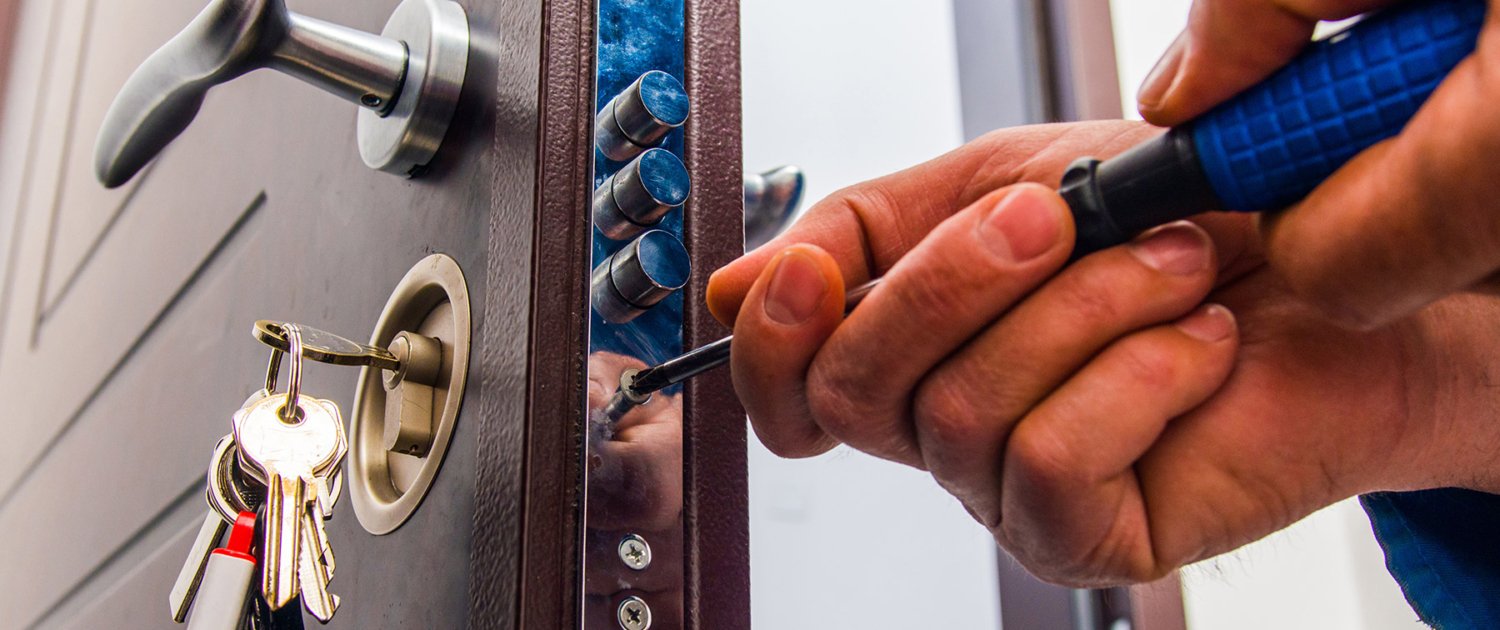
Key Stuck In Lock Removal
”WE DON’T EVEN HAVE TO TRY, IT’S ALWAYS A GOOD TIME”
NO CALL OUT CHARGE, REAL LOCAL LOCKSMITH
Key Stuck In Lock Removal
We Serve in these locations
The ONLY 5-star rated Lemon in Leeds!


Brought to you by the creators of
















Lemon Locksmith Services
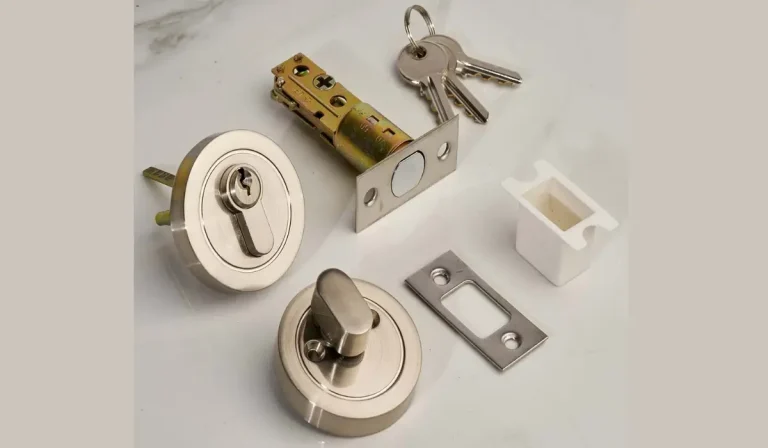
Locksmith Services
- Emergency locksmith service
- Emergency auto (car) locksmith service
- House key cutting
- Car key cutting
- Lock replacement
Security Services
- Access control
- Alarm and CCTV fitting
- Garage door security upgrades
- Safe fitting
- Van lock installation
Door and Window
- Double glazing and window repairs
- Boarding up
- New door installations
- uPVC door repairs
Reach out to Lemon Locksmith for expert and trusted locksmith, security, door & window services in Leeds!
No call-out fees! no call centres! no middlemen!
How to Remove a Stuck Key Out of a Lock?
Use a lubricant spray
If your door has new locks or keys, you might be able to force it open. Consider using Houdini Spray to make the key move freely for this method. If you can’t get this spray lubricant, other brands will work just as well. Spray some of the lubricant into the lock to use it. Make sure the stream goes above the key that is stuck. Then, shake the key up and down carefully to get it out of the hole. Don’t move the key from side to side, no matter what.
If you work too roughly, the key will break, which will make your job harder. As soon as it comes loose, use a fine file to smooth out the rough edges. You can also ask a key maker in your area to smooth out any rough spots on the key.
Spread some oil on the key. Even if it seems like a bad idea, you should also put some of the product in the lock, put the key in the keyhole, and turn it from left to right. Because of the oil, the lock will work for a long time. But if the key gets stuck again, you can fix this by adding more grease. Also, try to stay away from lithium grease because it breaks locks.
Use Graphite Powder
Is the key still hooked? If so, you can substitute a bottle of graphite powder for the spray lubricant. Try shaking the blocked key as you squeeze the contents out until graphite fills the entire lock assembly. When the key startsto feel loose, slowly pry it out of the lock.
Try the Push Plug Method
In a pin tumbler lock, the plug that goes over the keyhole stays on a big locking cylinder. But when you look at the plug from the outside, it looks like a circle around the key and the hole. When the plug shakes, it can move inside the cylinder and get out of line with the pin tumblers. This can make it hard to get the key out of the lock.
Put the key all the way into the hole to fix this problem. Then, turn the key until the keyhole is back where it was when you first put the key in. At this point, you’re in the right spot to let the cylinder and pin tumblers line up with each other.
Now, use your other hand’s finger to push the part of the plug that stays close to the key. Turn and pull the key toward your body in a gentle way. Because you have your finger on the plug, this part of the lock will stay in place. So, if you don’t know how to get the key out when the door is unlocked, this simple method can help you get in.
Use the Ice on the Key
This method will help if you live in a warm place. Get some ice from a bar or a neighbor who’s willing to help. When you get home, put the ice against the key and hold it there for 30 seconds. The ice makes the metal lock shrink, which frees the key that was stuck, especially if the lock pins had burrs on them. Turn the key carefully and take it out.
Seek Help from a Professional
If your key gets stuck in the lock, hopefully one of the ideas above will help you get it out. But if you try those things and they don’t work, you should call a reliable locksmith. So, you won’t have to pay to fix the lock or break the key that’s stuck inside it.
With the help of a pro, it’s easy to get stuck things out, get a new key, or even replace the whole assembly. Even if you moved everything by yourself, you should still call a professional.
Many homes have problems with keys getting stuck in locks. This problem is often caused by old locks or keys with rough edges. But you can get a stuck key out of any lock in more than one way. You can start by shaking the key and spraying lubricant into the keyhole as keys can get stuck in roller shutter locks too.
If your key gets stuck when it’s warm outside, you can use ice to get it out. You can also try the “push and plug” method, which involves adjusting the plug of the lock and pulling it out. Use as little force as possible when doing any of the following, especially when shaking the key and taking it out. Better yet, call a locksmith to get the key out of the lock and fix the problem that caused it to get stuck there in the first place.
What is key stuck in lock removal?
Key stuck in lock removal refers to the process of extracting a key that has become stuck or jammed inside a lock. This can occur for a variety of reasons, such as a misaligned key, a damaged lock mechanism, or a broken key that has become lodged inside the lock cylinder of the communal door.
To remove a key stuck in a lock, a locksmith will typically use specialized tools and techniques to safely and effectively extract the key without causing damage to the lock or its internal components. This may involve using a key extractor tool to grip onto the key and pull it out of the lock, or using a broken key extractor tool to remove a broken piece of key from the lock cylinder.
The exact process of key stuck in lock removal can vary depending on the type of lock, the severity of the issue, and other factors. However, it’s important to seek the help of a professional locksmith if you’re experiencing a key extraction issue, as attempting to force the key out or using DIY methods can cause further damage to the lock and make the issue more difficult to resolve like restaurant door locks.
Call or Text Andy on: 07721876571
Email: theleedslocksmith@gmail.com
When is key stuck in lock removal necessary?
Key stuck in lock removal is necessary when a key becomes jammed or lodged inside a lock and cannot be turned or removed using normal methods. This can occur for a variety of reasons, such as a misaligned key, a damaged lock mechanism, or a broken key that has become stuck inside the lock cylinder of the bike lock.
If you’re unable to turn or remove a key from a lock, it’s important to seek the help of a professional locksmith for key stuck in lock removal. Attempting to force the key out or using DIY methods can cause further damage to the lock and make the issue more difficult to resolve.
Key stuck in lock removal may also be necessary in situations where a lock is damaged or compromised, such as in the case of a break-in or attempted break-in. In these cases, a locksmith may need to extract the key and rekey or replace the lock to restore the security of the property.
Overall, key stuck in lock removal is necessary whenever a key becomes stuck or jammed in a lock and cannot be removed using normal methods. If you’re experiencing this issue, it’s important to seek the help of a professional locksmith to ensure that the issue is resolved safely and effectively.
What tools are required for key stuck in lock removal?
To remove a key that is stuck in a lock, a locksmith may use a variety of specialized tools and techniques, depending on the type of lock and the severity of the issue. Some of the common tools that may be used include:
Key extractor tool: This tool is used to grip onto the key and pull it out of the lock cylinder. The tool features a long, narrow shaft with a hook or other gripping mechanism at the end to grab onto the key.
Broken key extractor tool: This tool is designed to remove a broken key that has become stuck inside the lock cylinder. It typically features a long, thin shaft with a small hook or barb at the end to catch onto the broken key and pull it out.
Lock pick set: In some cases, a locksmith may use lock picks to manipulate the lock mechanism and remove the stuck key. This involves using specialized tools to move the pins inside the lock cylinder and disengage the lock.
Lubricants: A locksmith may also use lubricants, such as graphite or silicone spray, to help loosen the key and make it easier to remove.

Overall, the tools used for key stuck in lock removal can vary depending on the specific situation and the locksmith’s preferred methods. It’s important to seek the help of a professional locksmith to ensure that the issue is resolved safely and effectively, and to avoid causing further damage to the lock or the key.
Can key stuck in lock removal be done on any type of lock?
Key stuck in lock removal can be done on most types of locks, including deadbolts, padlocks, cylinder locks, and more. However, the specific tools and techniques used may vary depending on the type of lock and the severity of the issue.
Some locks may be more difficult to extract a stuck key from than others, such as high-security locks with complex mechanisms or older locks that have become rusted or corroded over time. In these cases, a locksmith may need to use specialized tools and techniques to safely and effectively remove the key.
It’s also worth noting that attempting to remove a stuck key yourself, especially if you don’t have the proper tools or training, can cause further damage to the lock and make the issue more difficult to resolve. It’s always best to seek the help of a professional locksmith for key stuck in lock removal to ensure that the issue is resolved safely and effectively.
Is key stuck in lock removal a difficult process?
The difficulty of key stuck in lock removal can vary depending on the specific situation and the type of lock involved. In some cases, removing a stuck key may be a relatively simple process that can be done quickly and easily. In other cases, it may be more complex and require specialized tools and techniques to extract the key without causing damage to the lock or the key itself.
Attempting to remove a stuck key yourself, especially if you don’t have the proper tools or training, can also make the process more difficult and increase the risk of causing damage to the lock or the key.
Overall, key stuck in lock removal is a task that is best left to professional locksmiths, who have the training, experience, and specialized tools needed to safely and effectively extract the key without causing further damage to the lock or the key. If you’re experiencing a key extraction issue, it’s important to seek the help of a professional locksmith to ensure that the issue is resolved safely and effectively.
How long does key stuck in lock removal take?
The time it takes to perform key stuck in lock removal can vary depending on a number of factors, including the type of lock, the severity of the issue, and the specific tools and techniques used by the locksmith. In some cases, a stuck key may be removed relatively quickly, while in other cases, it may take more time and effort to safely and effectively extract the key.
On average, key stuck in lock removal may take anywhere from 10 minutes to an hour or more, depending on the complexity of the situation. In some cases, the locksmith may need to disassemble the lock cylinder to access the stuck key, which can add time to the process. However, in most cases, a professional locksmith can extract the stuck key in a timely and efficient manner.
If you’re experiencing a key extraction issue, it’s important to seek the help of a professional locksmith to ensure that the issue is resolved safely and effectively. The locksmith can assess the situation and provide an estimate of the time and cost involved in removing the stuck key.
Can key stuck in lock removal damage the lock or the key?
While key stuck in lock removal is generally a safe and effective process, there is always a risk of causing damage to the lock or the key, especially if the process is attempted by someone who lacks the proper tools or training. Some of the potential risks associated with key stuck in lock removal include:
Lock damage: If the wrong tools or techniques are used, attempting to remove a stuck key can cause damage to the lock cylinder, pins, or other components.
Key damage: If too much force is used, attempting to remove a stuck key can cause the key to bend, break, or become further stuck inside the lock cylinder.
Personal injury: Attempting to remove a stuck key can also pose a risk of personal injury, especially if sharp or pointed tools are used.
To minimize the risk of damage to the lock or the key, it’s important to seek the help of a professional locksmith for key stuck in lock removal. A professional locksmith will have the experience, tools, and training needed to safely and effectively extract the stuck key without causing damage to the lock or the key. Additionally, a professional locksmith will be insured, which can provide additional protection in the event of accidental damage.
Can a broken key be removed using the same process as key stuck in lock removal?
Removing a broken key from a lock can be a similar process to removing a stuck key, but it often requires specialized tools and techniques. In some cases, a broken key may be easier to remove than a stuck key, while in other cases, it may be more difficult.
One common method for removing a broken key involves using a key extractor tool, which is designed to grip onto the broken key and allow it to be pulled out of the lock cylinder. Depending on the type of lock and the specific situation, a locksmith may use other tools or techniques as well, such as lubricants or tweezers, to safely and effectively extract the broken key.
It’s important to note that attempting to remove a broken key yourself can cause further damage to the lock or the key and make the issue more difficult to resolve. It’s always best to seek the help of a professional locksmith for broken key extraction to ensure that the issue is resolved safely and effectively.
What should I do if the key breaks during the removal process?
If the key breaks during the key extraction process, it’s important to remain calm and not attempt to force the key or any remaining pieces further into the lock. Here are the steps you should take:
Stop trying to extract the key: If the key breaks during the removal process, stop attempting to remove the key or any remaining pieces. Continuing to force the key can cause further damage to the lock and make the situation more difficult to resolve.
Contact a professional locksmith: Contact a professional locksmith as soon as possible to assist with broken key extraction. A locksmith will have the experience and specialized tools needed to safely and effectively remove the broken key and any remaining pieces from the lock cylinder.
Provide details about the situation: When you contact the locksmith, be sure to provide as much information as possible about the situation, including the type of lock and any details about the key and how it broke. This information can help the locksmith come prepared with the right tools and techniques to resolve the issue.
Avoid attempting to fix the issue yourself: Attempting to fix the issue yourself can cause further damage to the lock or the key and make the situation more difficult to resolve. It’s best to wait for the locksmith to arrive and let them handle the broken key extraction process.

Remember that attempting to remove a broken key yourself can cause further damage to the lock or the key and make the issue more difficult to resolve. It’s always best to seek the help of a professional locksmith for broken key extraction to ensure that the issue is resolved safely and effectively.
How can I prevent keys from getting stuck in locks in the future?
Here are some tips for preventing keys from getting stuck in locks in the future:
Lubricate the lock regularly: Use a lock lubricant, such as graphite powder or silicone spray, to keep the lock cylinder lubricated and operating smoothly. Be sure to follow the manufacturer’s instructions when applying the lubricant.
Use a good quality key: Using a high-quality key can help prevent it from bending or breaking inside the lock cylinder. Avoid using keys that are worn, bent, or damaged.
Avoid forcing the key: Avoid using excessive force when inserting or turning the key in the lock. If the key is difficult to turn, try lubricating the lock or contact a locksmith for assistance.
Clean the lock regularly: Dirt, debris, and other contaminants can accumulate inside the lock cylinder, causing it to become jammed or difficult to turn. Clean the lock regularly using a soft brush or compressed air to remove any debris.
Replace the lock if necessary: If the lock is old, damaged, or not functioning properly, consider replacing it with a new lock. A professional locksmith can help you choose the right lock for your needs and install it for you.
By following these tips, you can help prevent keys from getting stuck in locks and keep your locks functioning smoothly and reliably.
Call or Text Andy on: 07721876571
Email: theleedslocksmith@gmail.com
Locksmith FAQs
Looking for Leeds’ leading locksmith?
Contact Andrew for a no-cost and obligation-free quote today.
Lock Out Service
Lock out service is an essential need for anyone who has ever locked themselves out of their car or home. The process of being locked out can be frustrating and stressful, but with the help of a locksmith, you can quickly get back into your space. Locksmiths are trained professionals who specialize in unlocking doors and providing other security services.
Lockout services are available 24/7, so no matter the time of day or night, you can count on a locksmith to come to your rescue. They use specialized tools and techniques to open locks without causing any damage to your property. In addition to lockouts, locksmiths also offer key cutting services for those who need new keys made or want duplicates for existing keys.
When choosing a locksmith for lockout services, it’s important to choose a reputable company that has experience in the industry. Look for companies that have positive customer reviews and offer competitive pricing.
For key cutting we recommend: