Key Cutting Service in Leeds 24/7
”WE DON’T EVEN HAVE TO TRY, IT’S ALWAYS A GOOD TIME”
NO CALL OUT CHARGE, REAL LOCAL LOCKSMITH
Key Cutting
We Serve in these locations
The ONLY 5-star rated Lemon in Leeds!


Brought to you by the creators of













Lemon Locksmith Services
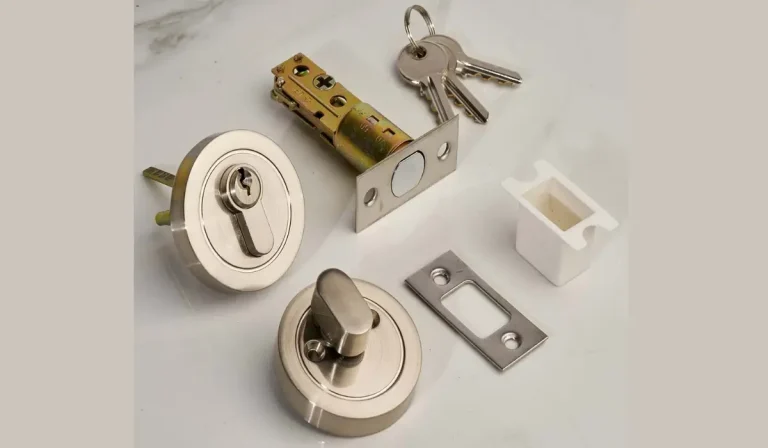
Locksmith Services
- Emergency locksmith service
- Emergency auto (car) locksmith service
- House key cutting
- Car key cutting
- Lock replacement
Security Services
- Access control
- Alarm and CCTV fitting
- Garage door security upgrades
- Safe fitting
- Van lock installation
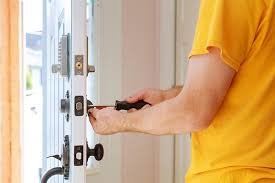
Door and Window
- Double glazing and window repairs
- Boarding up
- New door installations
- uPVC door repairs
Reach out to Lemon Locksmith for expert and trusted locksmith, security, door & window services in Leeds!
No call-out fees! no call centres! no middlemen!
Types of Keys: Common, Specialized
Keys are an essential aspect of our daily lives, and they come in various shapes and sizes. Common keys are the most prevalent types available, with some being more popular than others. One example is the traditional flat key that fits into standard door locks found on most homes and commercial buildings.
Another common key type is the cylinder lock key used for furniture such as cabinets, drawers or padlocks. These keys typically have a unique shape to fit into a specific lock mechanism. The skeleton key is another type of common key used primarily on older properties with antique locks.
Specialized keys cater to particular industries or purposes, such as car keys that incorporate electronic chips to start modern vehicles. Similarly, access control cards serve as specialized keys for secure entry points in offices or apartment complexes.
Tools to Cut Keys: Manual, Electronic
Keys are essential items that we use every day. From house keys to car keys, they provide us with access to our most important spaces and possessions. However, losing or misplacing a key can be quite frustrating and problematic. This is why having tools to cut keys at your disposal is crucial.
There are two main types of key-cutting tools: manual and electronic. Manual key-cutters are handheld devices that require physical effort to operate. They come in various sizes and shapes but typically have a vise grip that holds the key blank in place while the cutting tool works on it.
Electronic key-cutters, on the other hand, use motors and computer programs to cut keys accurately and efficiently. They are more advanced than manual versions but also significantly more costly. Some models can even store data for future reference, making them ideal for locksmiths who need to duplicate a wide range of keys regularly.
Techniques for Cutting Keys
Cutting keys is a precise and technical process that requires patience, skill, and the right set of tools. Whether you are an experienced locksmith or just starting in the trade, mastering key cutting techniques can make all the difference in your work. In this article, we will explore some essential techniques for cutting keys that every locksmith should know.
Firstly, it’s important to understand how different types of keys are cut. Keys come in various shapes and sizes, ranging from traditional flat metal keys to complex electronic transponder keys. Understanding the anatomy of each key type will help you determine the best technique for cutting it accurately. Secondly, always use sharp and well-maintained cutting tools such as key machines or hand files. Dull blades can result in jagged or imprecise cuts that can cause issues with locking mechanisms down the line.
Key Blanks: Choosing the Right Type
When it comes to key cutting, one of the most important decisions you will make is choosing the right type of key blank. There are a wide variety of key blanks available in the market, each with its own unique features and benefits. It’s crucial that you select the correct blank for your specific needs to ensure that your keys function properly.
Before selecting a key blank, you need to consider several factors such as security level required, durability and cost. Some blanks may offer a higher security level than others, while some may be more durable or less expensive. Additionally, different types of locks require different types of keys. For example, pin tumbler locks require flat keys while wafer tumbler locks use grooved or corrugated keys. Another important factor when selecting a key blank is compatibility with your key cutting machine or equipment.
Whether you’ve lost your keys or need a spare, copying an existing key is often the most convenient option. However, it can be difficult to decide whether to attempt the process yourself or seek out a professional. While DIY key copying machines are readily available and inexpensive, they may not always provide accurate results. Additionally, some types of keys require specialized equipment that can only be found at a locksmith’s shop.
One factor to consider when deciding between DIY and professional key copying is the cost. While a basic machine for copying house keys may only cost around $20, more advanced equipment for car keys can run into hundreds of dollars. A professional locksmith will charge anywhere from $2-$5 per key copy depending on the type of key and complexity involved.
Another important factor is accuracy. Copying an existing key with precision requires skill and experience that many DIY enthusiasts may lack.
Call or Text Andy on: 07721876571
Email: theleedslocksmith@gmail.com
What is key cutting?
Key cutting is the process of duplicating an existing key by creating a copy that matches the original key’s shape and size. This is done by using a specialized machine that cuts a new key from a blank key that has the same profile as the original key. Key cutting is commonly used to create spare keys for homes, vehicles, and other types of locks, or to replace lost or broken keys. The process of key cutting requires a high level of precision and skill to ensure that the new key is an exact replica of the original, and it is often performed by locksmiths or key cutting professionals.
What types of keys can be cut?
Key cutting machines can cut a wide variety of keys, including:
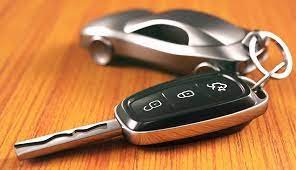
House keys: These are the most common type of keys that people need to have duplicated. They are usually simple metal keys with a unique profile that corresponds to the lock on a particular door.
Car keys: Modern car keys often have an electronic component that requires specialized programming. However, older car keys can be cut by a key cutting machine.
Padlock keys: Padlocks typically use small keys that can be easily duplicated.
Safe keys: Safes usually come with a unique key that cannot be easily duplicated, but key cutting machines can create a duplicate key in some cases.
Furniture keys: Some types of furniture, such as desks or cabinets, may have a unique key that can be cut by a locksmith or key cutting professional.
High-security keys: Certain types of high-security keys require specialized equipment and expertise to duplicate, and may need to be cut by a locksmith or specialized key cutting service.
In general, key cutting machines can cut most types of keys that have a standard keyway and are not electronic or highly specialized.
How does key cutting work?
Key cutting is a process that involves creating a duplicate key from an existing key by using a key cutting machine. Here are the general steps involved in key cutting:
The original key is inserted into a vise on the key cutting machine, which holds it securely in place.
A blank key with the same profile as the original key is selected and placed in a separate vise on the machine.
The machine then uses a cutting blade to trace the contours of the original key’s profile, cutting the same pattern onto the blank key.
Once the cutting process is complete, the new key is removed from the vise and checked to ensure that it matches the original key’s profile.
If the new key matches the original, it can be used to open the lock that the original key fits.
In order to ensure accuracy, key cutting requires precision equipment and skillful technique. It is important to use the correct blank key, since different types of keys have different profiles and cutting a key on the wrong blank can result in an unusable key. Locksmiths and other key cutting professionals have the knowledge and experience to select the correct blank and use the appropriate cutting techniques to ensure that the duplicate key works properly.
What tools are used for key cutting?
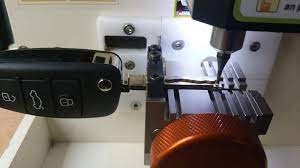
Key cutting machines are the primary tool used for key cutting. These machines use cutting blades or wheels to trace the contours of an original key and cut a new key with the same profile. Some common types of key cutting machines include:
Manual key cutting machines: These machines require a locksmith or key cutting professional to manually move the cutting blade or wheel to cut the key.
Automatic key cutting machines: These machines are computerized and use a digital template to automatically cut the key.
Laser key cutting machines: These machines use a laser to cut the key, resulting in a more precise cut and the ability to cut certain high-security keys.
Other tools that may be used during key cutting include:
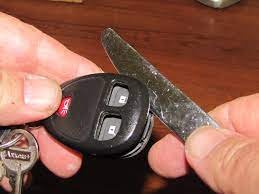
Key blanks: These are blank keys that have the same profile as the original key.
Key gauges: These are used to measure the profile of the original key and ensure that the correct blank key is used.
Calipers: These are used to measure the dimensions of the key, such as the length and width of the blade.
Lubricants: These are used to ensure that the cutting blade or wheel moves smoothly during the cutting process.
Key identifiers: These are used to identify the correct key blank to use based on the key’s profile or code.
What is the average cost of key cutting?
The cost of key cutting can vary depending on several factors such as the type of key, the complexity of the key, and the location of the key cutting service. In general, the average cost of key cutting ranges from $2 to $10 per key for most standard keys.
For more complex keys such as those for high-security locks, car keys with transponders, or keys with specialized designs, the cost may be higher. The cost of cutting a replacement key for a car with a transponder chip can range from $50 to $250 or more, depending on the make and model of the vehicle.
It’s important to note that the cost of key cutting may vary based on the location of the key cutting service, as prices may be higher in some areas with higher operating costs. Additionally, some key cutting services may charge additional fees for rush orders or specialized services.
It’s always a good idea to ask for a price estimate before having a key cut to avoid unexpected costs.
How long does it take to cut a key?
The time it takes to cut a key can vary depending on a few factors, such as the complexity of the key and the equipment used by the key cutter. In general, however, most key cutting services take only a few minutes to cut a standard key.
Simple keys for residential locks, padlocks, and most car keys can usually be cut within a few minutes. Keys with more complex designs or those for high-security locks may take longer to cut. In some cases, the key cutter may need to order a specialized key blank or obtain authorization before cutting the key, which can also add to the time required.
It’s always a good idea to ask the key cutter for an estimate of the time required to cut your key before having it cut. This can help you plan your time accordingly and avoid unexpected delays.
Can all locksmiths cut keys?
Most locksmiths have the equipment and expertise to cut keys for a wide variety of locks, including residential and commercial locks, car keys, and padlock keys. However, not all locksmiths offer key cutting services, and some locksmiths may specialize in specific types of keys or locks.
It’s always a good idea to check with a locksmith before visiting their shop to confirm that they offer key cutting services for the type of key you need. Additionally, if you have a key with a specialized design or security features, you may need to find a locksmith that specializes in cutting those types of keys.
Keep in mind that some types of keys, such as those for high-security locks or those with complex designs, may require specialized equipment or authorization to cut. In these cases, you may need to visit a specialized key cutting service or obtain authorization before a locksmith can cut the key for you.
What information is needed to cut a key?
To cut a key, a locksmith or key cutter will typically need the following information:
Type of Key: The type of key (e.g. house key, car key, padlock key, etc.) will determine the type of machine or tool needed to cut the key.
Key Code: Some keys have a unique code stamped on them, which can be used to create an exact duplicate of the key.
Key Blank: If a key code is not available, the locksmith or key cutter will need the original key to determine the correct key blank.
Type of Lock: The type of lock the key is used for can affect the key’s shape and size. Providing information about the lock can help ensure that the key is cut correctly.
Additional Information: In some cases, additional information such as the make and model of a car or the manufacturer of a lock can be helpful in cutting a key.
It’s important to provide accurate information when getting a key cut to ensure that the key works properly and fits the lock correctly.
What should I do if my key is difficult to cut?
If your key is difficult to cut, there are a few things you can do to help make the process easier:
Clean Your Key: Dirt or debris on your key can make it difficult to cut. Clean your key thoroughly with a soft cloth or a cleaning solution to remove any dirt or debris.
Use the Right Key Blank: Make sure you are using the right key blank for your lock. Using the wrong key blank can make it difficult to cut and may result in an improperly functioning key.
Lubricate the Key: Apply a small amount of lubricant to the key to help it slide more easily through the cutting machine.
Replace the Cutting Blade: If the key cutter is using a dull or damaged blade, it can make it difficult to cut your key. Ask the key cutter to replace the blade before cutting your key.
Seek Professional Help: If your key is still difficult to cut, seek the help of a professional locksmith or key cutter. They have the tools and expertise to cut even the most difficult keys.
It’s important to remember that attempting to cut a difficult key yourself can lead to a poorly cut key that doesn’t work properly, and could even damage your lock. So, it’s best to seek professional help if you’re having trouble cutting a key.
Can I get a copy of a key that says “Do not duplicate”?
Technically, it is possible to get a copy of a key that says “Do not duplicate”, but it is generally not recommended or legal to do so. Keys that are marked with “Do not duplicate” or “Unlawful to copy” are typically intended to prevent unauthorized key duplication for security reasons.
However, there are some legitimate reasons why you may need a copy of a key that says “Do not duplicate”. For example, if you are the owner of the property and need an additional key for a trusted family member or employee.
In such cases, you should contact a locksmith or key cutter who is authorized to make copies of restricted keys. They will require proof of ownership or authorization to make a copy of the key. It’s important to note that copying a key that is marked as “Do not duplicate” without authorization may be illegal and could lead to legal consequences.
How can I ensure the security of my keys when getting them cut?
Ensuring the security of your keys when getting them cut is important to protect your property and privacy. Here are some tips to help you keep your keys secure when getting them cut:
Choose a Reputable Key Cutter: Choose a reputable key cutter with a good track record of keeping customer information secure. Check online reviews and ask for recommendations from trusted friends or family members.
Watch the Key Cutting Process: If possible, watch the key cutting process to ensure that your key is being cut correctly and that the key cutter is not making an extra copy without your permission.
Protect Your Personal Information: Avoid giving out personal information such as your name, address, or phone number when getting your keys cut.
Use a Lockbox: Use a lockbox to transport your keys securely to and from the key cutter. This will prevent them from being lost or stolen.
Don’t Leave Keys Unattended: Don’t leave your keys unattended while they are being cut. Keep an eye on them at all times to ensure they are not misplaced or stolen.
Collect Keys in Person: Collect your keys in person and ensure that they work properly before leaving the store. If you are unable to collect your keys in person, use a secure delivery service or have someone you trust pick them up for you.
Securely Store Your Keys: Keep your keys in a secure location, such as a locked drawer or safe, to prevent them from being lost or stolen.
By following these tips, you can help ensure the security of your keys when getting them cut.
Call or Text Andy on: 07721876571
Email: theleedslocksmith@gmail.com
Locksmith FAQs
Looking for Leeds’ leading locksmith?
Contact Andrew for a no-cost and obligation-free quote today.
Lock Out Service
Lock out service is an essential need for anyone who has ever locked themselves out of their car or home. The process of being locked out can be frustrating and stressful, but with the help of a locksmith, you can quickly get back into your space. Locksmiths are trained professionals who specialize in unlocking doors and providing other security services.
Lockout services are available 24/7, so no matter the time of day or night, you can count on a locksmith to come to your rescue. They use specialized tools and techniques to open locks without causing any damage to your property. In addition to lockouts, locksmiths also offer key cutting services for those who need new keys made or want duplicates for existing keys.
When choosing a locksmith for lockout services, it’s important to choose a reputable company that has experience in the industry. Look for companies that have positive customer reviews and offer competitive pricing.
For key cutting we recommend: