Jammed Door Repair in Leeds
”WE DON’T EVEN HAVE TO TRY, IT’S ALWAYS A GOOD TIME”
NO CALL OUT CHARGE, REAL LOCAL LOCKSMITH
Jammed Door Repair
We Serve in these locations
The ONLY 5-star rated Lemon in Leeds!


Brought to you by the creators of
















Lemon Locksmith Services
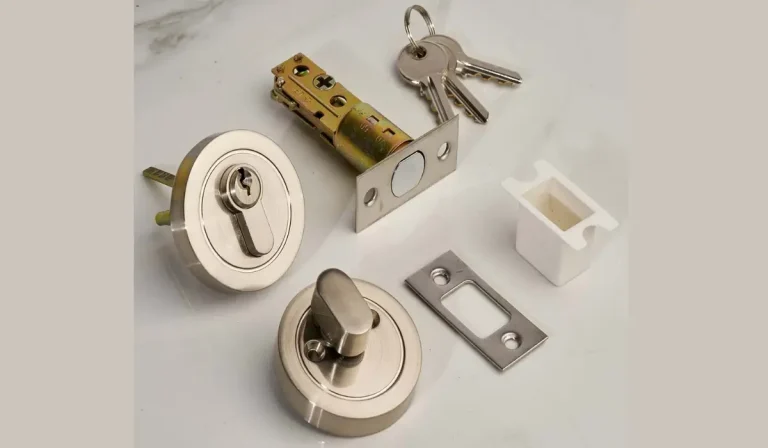
Locksmith Services
- Emergency locksmith service
- Emergency auto (car) locksmith service
- House key cutting
- Car key cutting
- Lock replacement
Security Services
- Access control
- Alarm and CCTV fitting
- Garage door security upgrades
- Safe fitting
- Van lock installation
Door and Window
- Double glazing and window repairs
- Boarding up
- New door installations
- uPVC door repairs
Reach out to Lemon Locksmith for expert and trusted locksmith, security, door & window services in Leeds!
No call-out fees! no call centres! no middlemen!
What is a jammed door, and what causes it to become stuck?
A jammed door is a door that is stuck and cannot be easily opened or closed. There are several reasons why a door can become jammed, including:
Misaligned hinges: If the hinges of a door become loose or misaligned, the door can become stuck and difficult to open or close.
Warped door: A door can become warped due to changes in temperature or humidity, causing it to become misshapen and difficult to move.
Obstruction: If there is an object or debris blocking the path of the door, it can become jammed and unable to move.
Broken or damaged door frame: If the door frame is damaged or broken, the door may become misaligned and unable to move properly.
Broken door latch: If the door latch is broken or damaged, the door may become stuck and unable to open or close.
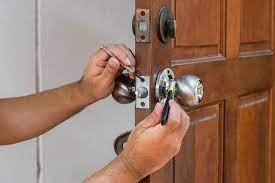
If you encounter a jammed door, it is important to identify the cause of the problem and address it properly to avoid further damage to the door or the surrounding area.
Can a jammed door be dangerous or pose a safety hazard?
In certain situations, a jammed door can pose a safety hazard and may be considered dangerous. For example:
In emergency situations: If a door becomes jammed during an emergency, such as a fire or natural disaster, it can prevent people from escaping the building or accessing necessary resources.
In high traffic areas: A jammed door in a high traffic area, such as a workplace or public venue, can impede the flow of people and potentially cause injuries or accidents.
In homes: A jammed door in a home can prevent people from entering or exiting a room or area, which can be particularly dangerous if someone needs medical attention or assistance.
In general, it is important to address a jammed door promptly to avoid potential safety hazards. If you are unsure about how to fix a jammed door, it is recommended that you seek the assistance of a professional to ensure the issue is properly addressed.
How can I determine the cause of a jammed door?
To determine the cause of a jammed door, you can follow these steps:
Check the hinges: Examine the hinges on the door to see if they are loose or misaligned. If so, tightening the screws or adjusting the hinges may solve the problem.
Check for obstruction: Look for any objects or debris that may be blocking the path of the door. Remove any obstacles that are causing the door to become stuck.
Check the frame: Check the frame of the door to see if it is damaged or broken. If the frame is the issue, it may need to be repaired or replaced.
Check the latch: If the door has a latch, check to see if it is damaged or broken. If the latch is the issue, it may need to be repaired or replaced.
Check for warping: Inspect the door to see if it is warped due to changes in temperature or humidity. If the door is warped, it may need to be replaced.
Once you have identified the cause of the jammed door, you can take the necessary steps to fix it. If you are unsure about how to fix the problem, it is recommended that you seek the assistance of a professional to ensure the issue is properly addressed.
What tools are required for repairing a Jammed Door Repair?
The tools required for repairing a jammed door will depend on the cause of the issue. However, some common tools that may be needed include:
Screwdriver: A screwdriver may be necessary to tighten loose screws on the hinges or latch.
Hammer: A hammer may be needed to tap the door back into position if it has become misaligned.
Pry bar: A pry bar may be needed to remove any debris or objects that are obstructing the door.
Lubricant: A lubricant, such as WD-40, may be necessary to loosen a stuck latch or hinge.
Sandpaper: Sandpaper may be needed to smooth out any rough edges or areas of the door that are sticking.
Chisel: A chisel may be needed to remove any excess wood or material from the door frame.
Saw: A saw may be necessary to trim the door if it has become warped and no longer fits in the frame.
It’s important to note that repairing a jammed door can sometimes be complicated and may require the assistance of a professional if you are unsure about what tools to use or how to fix the problem.
How do I safely and effectively remove a Jammed Door Repair from its frame?
To safely and effectively remove a jammed door from its frame, you can follow these steps:
Remove any obstacles: Before attempting to remove the door, make sure there are no obstacles blocking the path of the door.
Release the latch: If the door has a latch, release it so that the door can be easily opened and closed.
Remove the hinge pins: Using a hammer and a flathead screwdriver, tap the hinge pins upward to release them from the hinges. You may need to use pliers to grip the pins and pull them out completely.
Lift the door: Once the hinge pins have been removed, gently lift the door out of the frame. If the door is too heavy or unwieldy, you may want to enlist the help of a friend or family member to assist you.
It’s important to remember that removing a jammed door from its frame can sometimes be tricky and may require the assistance of a professional if you are unsure about how to proceed. Additionally, be sure to handle the door with care to avoid any damage or injury, and make sure to wear appropriate safety gear such as gloves and eye protection.
What are some common methods for repairing a Jammed Door Repair?
There are several common methods for repairing a jammed door, depending on the cause of the problem. Here are some of the most common methods:
Tightening the hinges: If the door is sticking because the hinges are loose, you can try tightening the screws. Use a screwdriver to tighten the screws in the hinges to see if this fixes the problem.
Adjusting the hinges: If the door is sticking because the hinges are misaligned, you may need to adjust them. Use a screwdriver to loosen the screws in the hinges, adjust the hinges so that the door is aligned, and then tighten the screws again.
Lubricating the hinges or latch: If the door is sticking because the hinges or latch are dry or rusted, you can try applying a lubricant such as WD-40. Spray the lubricant onto the hinges or latch, and then move the door back and forth to work the lubricant in.
Planing the door: If the door is sticking because it is too wide for the frame, you can try planing it down. Use a plane to shave off some of the wood on the edge of the door, testing the door in the frame after each pass until the door fits properly.
Sanding the door: If the door is sticking because it is rough or has a lot of bumps, you can try sanding it. Use sandpaper to smooth out the surface of the door, testing the door in the frame after each pass until the door moves freely.
Adjusting the strike plate: If the door is sticking because the latch is not catching properly, you can try adjusting the strike plate. Use a screwdriver to loosen the screws holding the strike plate in place, adjust the strike plate so that the latch catches properly, and then tighten the screws again.
It’s important to note that repairing a jammed door can sometimes be complicated and may require the assistance of a professional if you are unsure about what methods to use or how to fix the problem.
How do I repair a Jammed Door Repair lock on a door?
If you have a jammed lock on a door, you can follow these steps to try and repair it:
Clean the lock: Dirt, debris, and rust can cause a lock to jam. Use a lubricant such as WD-40 to clean the lock and remove any debris. Spray the lubricant into the lock, insert the key, and turn the key back and forth to work the lubricant in.
Try a different key: Sometimes a key that is worn or damaged can cause a lock to jam. Try using a different key to see if this fixes the problem.
Check the strike plate: If the lock is not latching properly, check the strike plate. The strike plate is the metal plate on the door frame that the latch fits into. Make sure that the strike plate is properly aligned with the latch and adjust it if necessary.
Adjust the lock mechanism: If the lock is not working properly, you may need to adjust the lock mechanism. Use a screwdriver to remove the screws that hold the lock in place, adjust the lock so that it is properly aligned, and then replace the screws.
Replace the lock: If the lock is still jammed after trying the above methods, you may need to replace it. You can either replace the entire lock or just the cylinder. Make sure to choose a lock that is the correct size for your door.
It’s important to remember that repairing a jammed lock on a door can sometimes be complicated and may require the assistance of a professional if you are unsure about what methods to use or how to fix the problem.
Call or Text Andy on: 07721876571
Email: theleedslocksmith@gmail.com
What should I do if aJammed Door Repair cannot be repaired, and needs to be replaced?
If a jammed door cannot be repaired and needs to be replaced, you can follow these steps:
Measure the door: Measure the width and height of the opening in the door frame to determine the size of the replacement door that you will need. Make sure to measure the door opening at several points to ensure accuracy.
Choose a replacement door: Choose a replacement door that fits the size and style of your home. You can purchase a new door from a home improvement store, or you can order a custom door from a manufacturer.
Remove the old door: Use the steps outlined earlier to safely and effectively remove the old door from the frame.
Install the new door: Place the new door into the frame, making sure that it is level and plumb. Use screws and a screwdriver to attach the hinges to the door frame. Make sure that the latch and lock mechanism are properly aligned and functioning.
Test the door: Test the door to make sure that it opens and closes smoothly and locks securely.
It’s important to note that replacing a door can sometimes be complicated and may require the assistance of a professional if you are unsure about what methods to use or how to install the new door properly. Additionally, make sure to follow all safety guidelines when handling tools and equipment.
How do I prevent my doors from becoming Jammed Door Repair in the future?
To prevent your doors from becoming jammed in the future, you can follow these tips:
Keep the door and frame clean: Dirt and debris can cause a door to become jammed. Regularly clean the door and frame with a mild detergent and a soft cloth to remove any dirt or debris.
Lubricate the hinges and lock: Hinges and locks can become stiff and cause a door to become jammed. Use a lubricant such as WD-40 to lubricate the hinges and lock regularly.
Avoid slamming the door: Slamming the door can cause damage to the frame, hinges, and lock. Be gentle when opening and closing the door.
Adjust the strike plate: If the strike plate is not properly aligned with the latch, the door can become jammed. Check the strike plate regularly and adjust it if necessary.
Replace damaged parts: If you notice any damage to the door, frame, hinges, or lock, replace the damaged parts as soon as possible.
By following these tips, you can help prevent your doors from becoming jammed in the future and ensure that they function properly.
What are some common materials used to Jammed Door Repair?
Some common materials used to repair jammed doors include:
Lubricants: Lubricants such as WD-40 can be used to clean and lubricate the lock, hinges, and other moving parts of a door.
Screws and screwdrivers: Screws and screwdrivers are used to attach and adjust hinges, locks, and other hardware on a door.
Replacement parts: Replacement parts such as hinges, locks, and strike plates can be used to replace damaged or worn-out parts on a door.
Wood filler: Wood filler can be used to repair small cracks or holes in a wooden door or frame.
Sandpaper: Sandpaper can be used to smooth out rough edges or surfaces on a door or frame.
Paint and stain: Paint and stain can be used to restore the appearance of a door or frame after repairs have been made.
These materials can be found at most hardware or home improvement stores and can be used to effectively repair jammed doors.
How do I properly align a door that has become Jammed Door Repair?
To properly align a door that has become jammed, you can follow these steps:
Check the hinges: The hinges may have become loose or misaligned, causing the door to become jammed. Tighten any loose screws on the hinges and adjust the hinge plates if necessary.
Check the strike plate: The strike plate may have become misaligned or worn, causing the latch to not properly engage with the strike plate. Adjust the strike plate if necessary or replace it if it is worn.
Check the latch: The latch may have become stuck or misaligned, causing the door to become jammed. Check that the latch moves freely and is properly aligned with the strike plate.
Check the frame: The frame may be warped or damaged, causing the door to become jammed. If the frame is damaged, it may need to be repaired or replaced.
Test the door: After making any necessary adjustments or repairs, test the door to ensure that it opens and closes smoothly and locks securely.
It’s important to note that door alignment can be a complicated process and may require the assistance of a professional if you are unsure about what methods to use or how to make the necessary adjustments. Additionally, make sure to follow all safety guidelines when handling tools and equipment.
What is the cost of repairing a Jammed Door Repair?
The cost of repairing a Jammed Door Repair can vary depending on several factors, such as the cause and extent of the damage, the type of door, and the cost of any necessary replacement parts. Minor repairs such as tightening loose screws or adjusting hinges may only cost a few dollars, while more extensive repairs such as replacing a lock or frame may cost several hundred dollars or more.
If you plan to hire a professional to repair your jammed door, the cost will also depend on the hourly rate of the contractor and their level of experience. On average, the cost of repairing a jammed door can range from $50 to $500 or more.
It’s important to note that it’s often more cost-effective to repair a door rather than replace it entirely, especially if the door is of good quality and the damage is minor. However, if the door is severely damaged or cannot be repaired, replacing it may be the best option.
Can a Jammed Door Repair be repaired without professional assistance?
Yes, in many cases, a Jammed Door Repair can be repaired without professional assistance, especially if the damage is minor. Some common causes of a jammed door, such as loose screws or misaligned hinges, can be easily fixed with basic tools and a little bit of know-how.
However, if you are unsure about what methods to use or how to make the necessary adjustments, it’s always best to consult a professional for assistance. Attempting to repair a jammed door without proper knowledge or tools can potentially cause further damage or create a safety hazard.
Additionally, if the damage is extensive or requires the replacement of parts such as the lock or frame, it may be best to hire a professional to ensure that the repair is done properly and safely.
What are the benefits of hiring a professional to Jammed Door Repair?
There are several benefits to hiring a professional to repair a jammed door, including:
Expertise and experience: A professional repair service has the expertise and experience to quickly and effectively diagnose and repair the problem with your door.
Time-saving: Hiring a professional can save you time and effort in trying to diagnose and fix the problem on your own. A professional can quickly identify the issue and provide a solution, which can help you avoid spending hours on trial and error.
Proper tools and equipment: Professional repair services have the proper tools and equipment to repair the door correctly and safely, which can help prevent further damage or safety hazards.
Warranties and guarantees: Many professional repair services offer warranties or guarantees on their work, which can provide you with peace of mind knowing that if the problem reoccurs, it will be fixed at no extra cost.
Safety: Repairing a jammed door can potentially be dangerous, especially if you are not familiar with the process. A professional repair service can ensure that the repair is done safely and correctly, which can help prevent accidents and injuries.
Overall, hiring a professional repair service can be a worthwhile investment, especially if the problem is complex or requires the replacement of parts.
How long does it typically take to Jammed Door Repair?
The amount of time it takes to repair a jammed door can vary depending on the cause and extent of the damage, as well as the experience level of the person doing the repair. Minor repairs such as tightening loose screws or adjusting hinges may only take a few minutes, while more extensive repairs such as replacing a lock or frame may take several hours or even a full day.
If you plan to hire a professional to repair your jammed door, the time it takes will also depend on their availability and the complexity of the repair. On average, most door repairs can be completed within a few hours to a full day, depending on the extent of the damage.
It’s important to note that the time it takes to repair a jammed door can also depend on factors such as the type of door and the availability of replacement parts. Some older or specialized doors may require more time to repair, especially if replacement parts are difficult to find.
Overall, the time it takes to repair a jammed door can vary widely depending on the specific circumstances of the repair, but most repairs can be completed within a few hours to a full day.
What types of doors are most prone to becoming Jammed Door Repair, and why?
Any type of Jammed Door Repair can potentially become jammed, but there are some types of doors that may be more prone to this problem than others. Some of the most common types of doors that may become jammed include:
Wooden doors: Wooden doors are more susceptible to swelling due to moisture, which can cause the door to become stuck in the frame.
Sliding doors: Sliding doors can become jammed if the track becomes dirty or damaged, or if the rollers become worn.
French doors: French doors have multiple panels, and if any of the panels become misaligned or the hinges become loose, the door may become jammed.
Hollow core doors: Hollow core doors are lighter and less durable than solid core doors, which can make them more prone to damage and becoming jammed.
Exterior doors: Exterior doors are more exposed to the elements and may experience more wear and tear, which can cause them to become jammed over time.
It’s important to note that any type of door can become jammed due to a variety of factors, such as improper installation, wear and tear, or damage. Regular maintenance and inspection can help prevent doors from becoming jammed and prolong their lifespan.
Can a Jammed Door Repair cause damage to the surrounding walls or other structures?
Yes, a jammed door can potentially cause damage to the surrounding walls or other structures if the problem is not addressed promptly. When a door becomes jammed, it may put extra pressure on the hinges, frame, or other parts of the door, which can cause these components to become damaged or wear out more quickly. Over time, this can cause the door to become misaligned or crooked, which can potentially damage the surrounding walls or other structures.
In addition, attempting to force a jammed door open or closed can also cause damage to the surrounding structures. For example, if you try to force a jammed door open by pulling or pushing hard, this can cause the door to scrape against the frame or wall, which can scratch or dent the surface. It may also cause the frame or wall to crack or become damaged.
Overall, it’s important to address a jammed door promptly to prevent any potential damage to the surrounding structures. If you’re not sure how to repair the door yourself, it’s best to seek professional help to ensure that the repair is done safely and correctly.
How do I choose a reputable contractor for repairing a Jammed Door Repair?
Choosing a reputable contractor for repairing a jammed door can be a daunting task, but here are some tips to help you make an informed decision:
Check for Licensing and Insurance: Make sure the contractor has a valid license and insurance to protect you in case of any damage or accidents during the repair process.
Look for Experience: Look for a contractor who has years of experience in repairing jammed doors. An experienced contractor will have the skills and knowledge to identify the problem quickly and efficiently.
Check for Reviews: Read online reviews from previous customers to see what they have to say about the contractor’s service. This can give you an idea of their reputation and level of service.
Ask for References: Ask the contractor for references from previous customers who have had similar repairs done. Contact these references to get a firsthand account of the contractor’s service.
Get Multiple Quotes: Get multiple quotes from different contractors to compare their prices and services. This can help you find the best value for your money.
Look for Guarantees: Look for a contractor who offers a guarantee on their work. This can give you peace of mind knowing that the repair work is backed by a warranty.
Check for Professionalism: Look for a contractor who is professional and communicates clearly with you. A professional contractor will take the time to explain the problem and the repair process to you.
By following these tips, you can choose a reputable contractor who can efficiently repair your jammed door.
Call or Text Andy on: 07721876571
Email: theleedslocksmith@gmail.com
Locksmith FAQs
Looking for Leeds’ leading locksmith?
Contact Andrew for a no-cost and obligation-free quote today.
Lock Out Service
Lock out service is an essential need for anyone who has ever locked themselves out of their car or home. The process of being locked out can be frustrating and stressful, but with the help of a locksmith, you can quickly get back into your space. Locksmiths are trained professionals who specialize in unlocking doors and providing other security services.
Lockout services are available 24/7, so no matter the time of day or night, you can count on a locksmith to come to your rescue. They use specialized tools and techniques to open locks without causing any damage to your property. In addition to lockouts, locksmiths also offer key cutting services for those who need new keys made or want duplicates for existing keys.
When choosing a locksmith for lockout services, it’s important to choose a reputable company that has experience in the industry. Look for companies that have positive customer reviews and offer competitive pricing.
For key cutting we recommend: