Internal Locks: Fitting & Repair in Leeds
”WE DON’T EVEN HAVE TO TRY, IT’S ALWAYS A GOOD TIME”
NO CALL OUT CHARGE, REAL LOCAL LOCKSMITH
Internal Locks
We Serve in these locations
The ONLY 5-star rated Lemon in Leeds!


Brought to you by the creators of
















Lemon Locksmith Services
Locksmith Services
- Emergency locksmith service
- Emergency auto (car) locksmith service
- House key cutting
- Car key cutting
- Lock replacement
Security Services
- Access control
- Alarm and CCTV fitting
- Garage door security upgrades
- Safe fitting
- Van lock installation
Door and Window
- Double glazing and window repairs
- Boarding up
- New door installations
- uPVC door repairs
Reach out to Lemon Locksmith for expert and trusted locksmith, security, door & window services in Leeds!
No call-out fees! no call centres! no middlemen!
Types of Internal Locks
Internal locks are security devices used to protect and secure a building, or its individual rooms, from unauthorized entry. There are many different types of internal locks available that provide varying levels of security depending on the situation. This article will discuss the various types of internal locks and their uses.
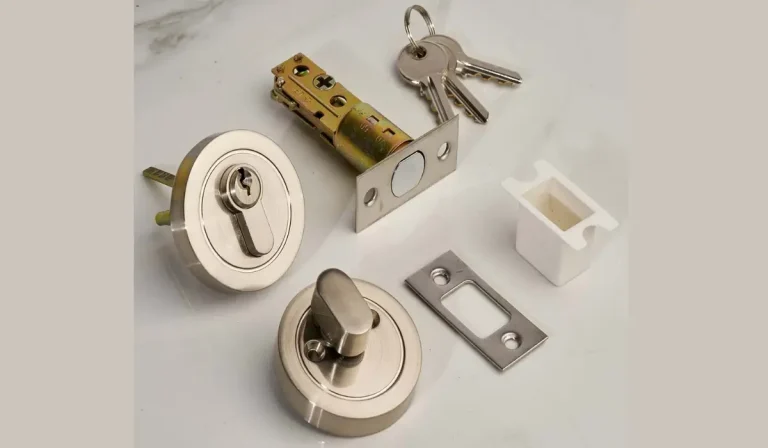
One type of internal lock is the deadbolt lock. It is one of the most common forms of internal lock and is installed at an inward opening door from either side with a keyhole on each side for convenience. A deadbolt offers increased protection against forced entry when compared to other interior locking mechanisms because it can only be unlocked by inserting either a key or a combination code into the corresponding keyhole on either side.
Benefits of Internal Locks
Internal locks are becoming a popular way to secure a property or building. They offer many advantages over traditional external locks, such as ease of access and improved security. The benefits of internal locks are numerous and should be taken into account when deciding on the best kind of lock to use for a property or building.
Internal locks provide an easy way to gain access to a locked area without the need for keys. This makes them ideal for areas with high levels of traffic, such as schools, offices and hospitals. Internal locks also make it easier for people to enter buildings without having to fumble around with multiple keys or complicated combinations. Additionally, they can be used with electronic devices like alarms and CCTV systems which increases the level of security by making it harder for unauthorized personnel to gain entry.
Steps for Installing Internal Locks
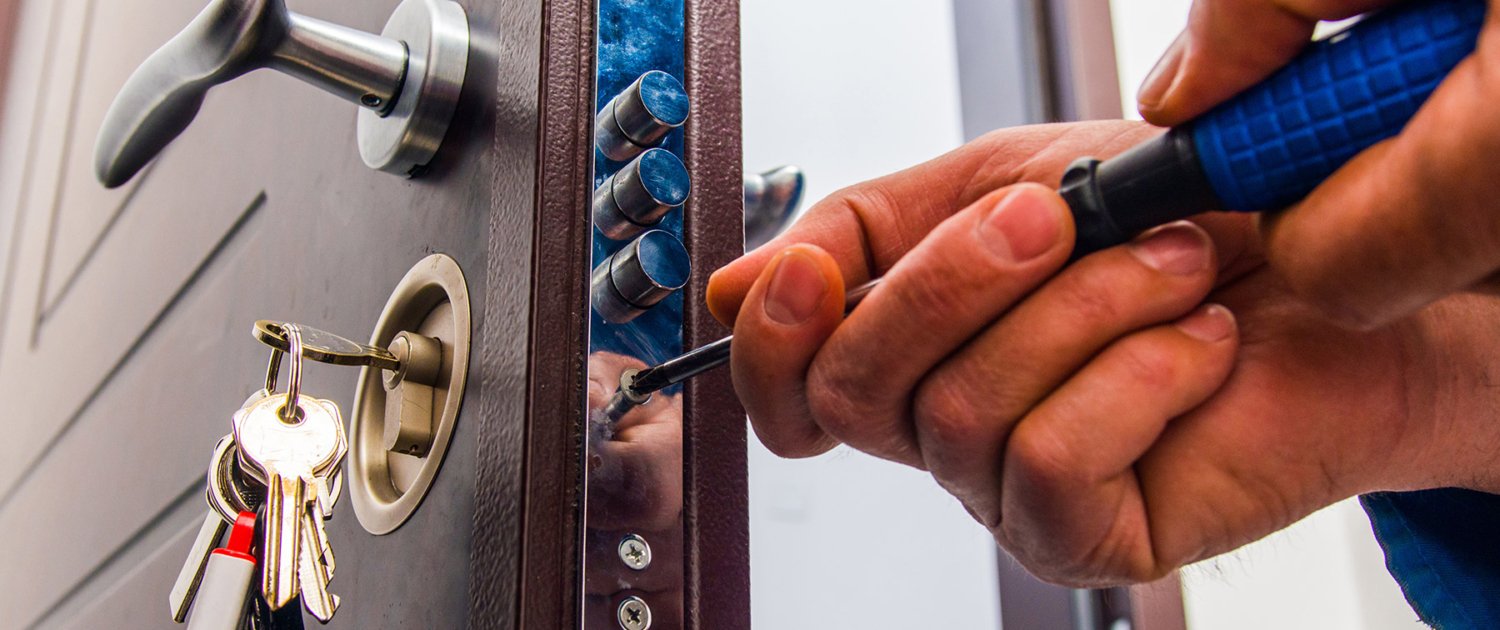
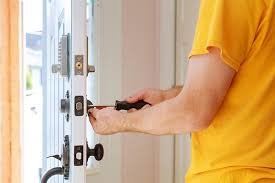
Installing an internal lock can be a tricky task, but it doesn’t have to be. Whether you’re looking for additional security around the house or just want to add a little extra flair, installing an internal lock can help you achieve your goals. Here are some simple steps for installing an internal lock:
First, find the appropriate location for your internal lock. Make sure that it is not too close to any windows or doors and will be in easy reach of the door handle. Then, measure the necessary hole size and make sure that it is accurate before cutting. Once the hole has been cut out of the door frame, insert the latch into place and secure with screws where applicable.
Finally, attach the deadbolt mechanism to ensure that your new internal lock stays secure.
Common Issues and Solutions
The internal locks on any door can be a tricky thing to manage, with many different common issues that can arise. Understanding the key components of an internal lock and being aware of potential problems is essential for keeping your home or business secure. While most mechanical issues can be solved without professional assistance, there are still certain cases where professional help might be required.
One of the most common issues with an internal lock is difficulty unlocking it from the inside. This problem can usually be resolved by inspecting the latch and verifying that it has been properly adjusted. If this fails to work, then a more serious issue such as a broken spring might need to be addressed. Another issue could involve a malfunctioning motorized locking mechanism; if regular maintenance isn’t performed in order to keep all parts lubricated and working correctly, then this could eventually cause problems that require repair or replacement of certain components.
Security Considerations
Internal locks are an important aspect of security considerations. They are used to control who has access to restricted areas, like companies, homes, or even safes and cabinets. Having a secure internal lock system is essential for the safety of possessions, information and personnel.
When it comes to choosing an internal lock system there are many factors that should be taken into account such as cost, ease of installation and operation, and the level of protection they provide. Different types of locks offer varying degrees of security so it’s important to select one that meets your specific needs. For example, traditional mechanical locks can be relatively inexpensive but may not have the same level of security as electronic locks with biometric scanning capabilities. It’s also essential to consider who will have access to the locked area in order to choose the appropriate type of key or code-based locking system on bedroom doors.
Call or Text Andy on: 07721876571
Email: theleedslocksmith@gmail.com
What are internal locks, and how do they differ from external locks?
Internal locks are locks used on interior doors within a building, such as bedroom doors or bathroom doors. They are designed to provide privacy and security within a room or area, rather than for securing the building from external threats. Internal locks typically do not have a keyhole on the outside and can be opened from the outside in case of an emergency.
External locks, on the other hand, are used on exterior doors and are designed to provide security from external threats such as burglars or intruders. They usually have a keyhole on both the inside and outside of the door, and are designed to prevent unauthorized entry from the outside.
In addition, external locks are usually made from materials that can withstand the elements, such as rain, wind, and extreme temperatures, while internal locks may not have the same level of durability since they are not exposed to the elements. The design and features of internal and external locks can vary depending on the type of building and the level of security required.
What are some common types of internal locks, and how are they used?
There are several common types of internal locks, including:
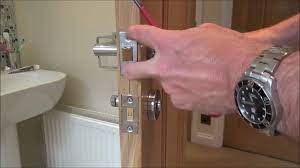
Privacy locks: These locks are used on bathroom and bedroom doors to provide privacy. They typically have a push button or turn lock on the inside and a small hole on the outside for emergency access.
Passage locks: These locks do not have a locking mechanism and are used on doors that do not require privacy, such as closet or pantry doors.
Dummy locks: These locks do not have a functional locking mechanism and are used for decorative purposes only, such as on a door that does not need to be opened or closed.
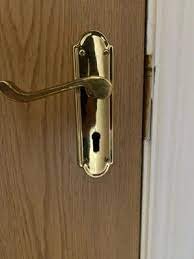
Keyed locks: These locks require a key to open and are often used on home offices or other areas where privacy and security are a concern.
Mortise locks: These locks are typically used on interior doors in commercial buildings and provide a high level of security. They require a key to lock and unlock, and may also have a latch bolt that can be operated with a handle or knob.
Electronic locks: These locks use electronic mechanisms, such as a keypad or card reader, to lock and unlock the door. They are often used in hotels or other commercial buildings where security and access control are important.
The type of internal lock used will depend on the specific needs of the building and the level of security required for each area.
What are the benefits of using internal locks in a building or home?
There are several benefits to using internal locks in a building or home, including:
Increased privacy: Internal locks allow you to control access to specific rooms or areas, providing increased privacy and security.
Enhanced security: By adding locks to interior doors, you can create barriers that prevent unauthorized access to sensitive areas, such as offices, storage rooms, or closets.
Improved safety: In some situations, such as in a home with young children or a commercial building with a large number of people, locks can help to prevent accidents or injuries by restricting access to certain areas.
Customization: Internal locks come in a variety of types and styles, allowing you to choose the lock that best fits your specific needs and preferences.
Deterrent for burglars: While external locks are the first line of defense against burglars, internal locks can add an extra layer of security by making it more difficult for intruders to move around the building undetected.
Overall, internal locks provide added security, privacy, and peace of mind for those who live or work in the building.
How do internal locks contribute to overall building security?
Internal locks contribute to overall building security in several ways:
Controlling access: Internal locks can be used to control access to specific areas of a building, such as offices, storage rooms, or utility closets. By restricting access to these areas, internal locks can prevent unauthorized persons from accessing sensitive information or equipment.
Deterrence: The presence of internal locks can serve as a deterrent to potential intruders, signalling that the building is secure and difficult to penetrate.
Delaying tactics: Internal locks can delay intruders and make it more difficult for them to move through a building quickly. This can give building occupants and security personnel more time to respond to an intruder and potentially prevent harm.
Compartmentalization: Internal locks can be used to compartmentalize a building, making it more difficult for an intruder to move from one area to another. This can limit the damage an intruder can do and help prevent them from reaching sensitive areas.
Reducing internal threats: Internal locks can be used to prevent internal threats, such as employee theft or sabotage. By restricting access to certain areas, internal locks can help to prevent these types of incidents from occurring.
Overall, internal locks play an important role in building security by controlling access, deterring potential intruders, delaying tactics, compartmentalizing a building, and reducing internal threats.
How do internal locks affect the overall cost of building or home security systems?
Internal locks can affect the overall cost of building or home security systems in several ways.
Firstly, the type and quality of internal locks chosen can impact the overall cost of the security system. Higher-end locks with advanced features such as smart locks or biometric locks may cost more than traditional locks, which can affect the overall budget for the security system.
Secondly, the number of internal locks required can also impact the overall cost. If a building or home has a large number of doors that require internal locks, the cost of purchasing and installing those locks can add up quickly.
Lastly, internal locks can also affect the cost of maintaining and repairing the security system. If a lock malfunctions or needs to be replaced, there may be additional costs associated with repairing or replacing the lock.
Overall, while internal locks may not be the most expensive component of a building or home security system, they do contribute to the overall cost and should be considered when planning a security budget.
What are some common materials used in the construction of internal locks, and how do they impact the lock’s effectiveness?
Some common materials used in the construction of internal locks include brass, steel, and zinc. The choice of material can impact the lock’s effectiveness in several ways.
Brass is a popular material for internal locks as it is corrosion-resistant and durable. It also has a low coefficient of friction, which means that it operates smoothly and is less likely to stick or jam.
Steel is another popular material for internal locks due to its strength and durability. It is also resistant to tampering, making it a good choice for high-security applications.
Zinc is a less common material for internal locks, but it is sometimes used as a low-cost alternative to brass or steel. However, zinc locks may be less durable and may not provide the same level of security as locks made from other materials.
In addition to the material used in the lock’s construction, the design and quality of the lock’s internal components, such as the tumblers and springs, can also impact its effectiveness. A well-designed and well-constructed lock will be more difficult to pick or tamper with, and will provide better security overall.
How often should internal locks be inspected and maintained, and what types of maintenance tasks are typically required?
Internal locks should be inspected and maintained on a regular basis to ensure their proper functioning and to prevent potential security breaches. The frequency of inspections and maintenance tasks may vary depending on the type of lock and the level of use, but generally, it is recommended to inspect and maintain internal locks at least once a year.
Common maintenance tasks include lubricating the locking mechanism, adjusting the latch or strike plate to ensure a proper fit, tightening loose screws or bolts, and replacing worn out or damaged parts. It is also important to test the lock periodically to make sure it is working properly and to identify any potential issues before they become major problems.
In addition to regular maintenance, it is important to repair or replace internal locks as soon as any issues are identified, such as a loose or broken handle, a sticking latch, or a key that does not turn smoothly. These issues can compromise the security of the building or home and should be addressed promptly to prevent potential break-ins or theft.
What are some common issues that can arise with internal locks, and how can they be resolved?
Common issues that can arise with internal locks include:
Key won’t turn or is difficult to turn: This may be caused by a worn key or a problem with the lock mechanism. It can often be resolved by lubricating the lock or replacing the key.
Door won’t latch: This could be caused by misalignment of the door or the latch mechanism. Adjusting the strike plate or the latch itself may be necessary.
Loose doorknob or handle: Over time, the screws that hold the doorknob or handle in place can become loose. Tightening them can usually fix the problem.
Broken key: Keys can break off inside the lock, making it impossible to unlock the door. In this case, a locksmith may need to be called to extract the broken key.
Jammed lock: This can happen if the lock mechanism becomes damaged or if something gets stuck inside the lock. In some cases, the lock may need to be replaced.
Malfunctioning deadbolt: If the deadbolt doesn’t extend fully or retract properly, it may need to be adjusted or replaced.
To resolve these issues, the appropriate maintenance tasks must be carried out. This could include lubrication of the lock mechanism, realignment of the door and latch, tightening of screws, extraction of broken keys, replacement of damaged locks, or adjustments to the deadbolt. Regular inspection and maintenance can help prevent these issues from occurring in the first place.
Call or Text Andy on: 07721876571
Email: theleedslocksmith@gmail.com
Locksmith FAQs
Looking for Leeds’ leading locksmith?
Contact Andrew for a no-cost and obligation-free quote today.
Lock Out Service
Lock out service is an essential need for anyone who has ever locked themselves out of their car or home. The process of being locked out can be frustrating and stressful, but with the help of a locksmith, you can quickly get back into your space. Locksmiths are trained professionals who specialize in unlocking doors and providing other security services.
Lockout services are available 24/7, so no matter the time of day or night, you can count on a locksmith to come to your rescue. They use specialized tools and techniques to open locks without causing any damage to your property. In addition to lockouts, locksmiths also offer key cutting services for those who need new keys made or want duplicates for existing keys.
When choosing a locksmith for lockout services, it’s important to choose a reputable company that has experience in the industry. Look for companies that have positive customer reviews and offer competitive pricing.
For key cutting we recommend: