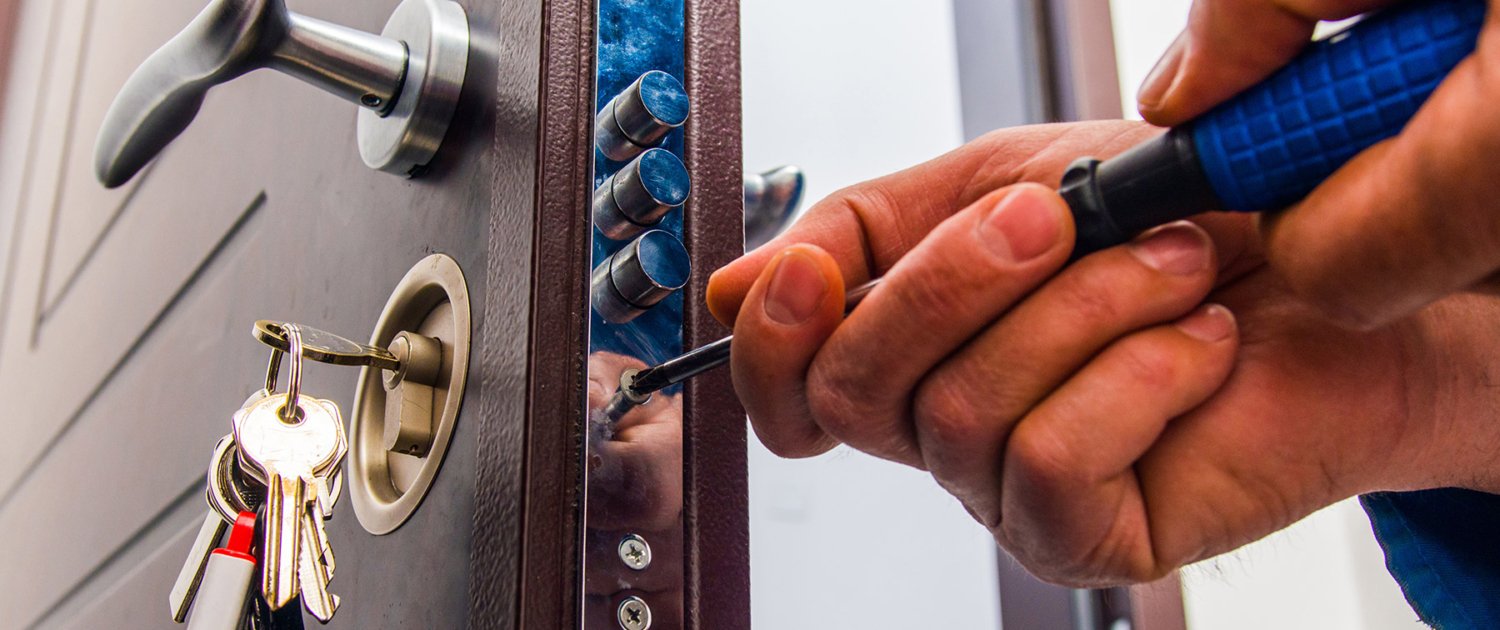
Internal Door Latch & Handle Repair in Leeds
”WE DON’T EVEN HAVE TO TRY, IT’S ALWAYS A GOOD TIME”
NO CALL OUT CHARGE, REAL LOCAL LOCKSMITH
We Serve in these locations
The ONLY 5-star rated Lemon in Leeds!


Brought to you by the creators of
















Lemon Locksmith Services
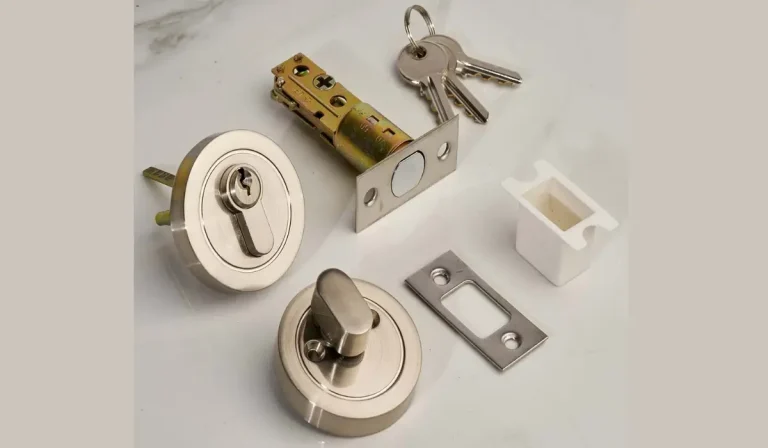
Locksmith Services
- Emergency locksmith service
- Emergency auto (car) locksmith service
- House key cutting
- Car key cutting
- Lock replacement
Security Services
- Access control
- Alarm and CCTV fitting
- Garage door security upgrades
- Safe fitting
- Van lock installation
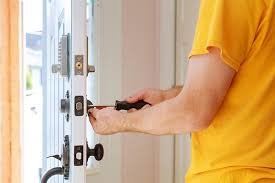
Door and Window
- Double glazing and window repairs
- Boarding up
- New door installations
- uPVC door repairs
Reach out to Lemon Locksmith for expert and trusted locksmith, security, door & window services in Leeds!
No call-out fees! no call centres! no middlemen!
Problem & Solution
Internal Door Latch & Handle Repair problems can be inconvenient, time-consuming, and often lead to costly repairs. However, with a bit of knowledge, the right materials and tools, many problems can be quickly and easily resolved with minimal expense.
The first step in repairing door latch and handles is to identify the problem. A wide range of issues may require attention such as loose or broken screws, misaligned components or worn out parts. Once identified, most repairs are relatively straightforward involving basic household tools such as screwdrivers or pliers. Depending on the specific issue at hand such items as lubrication sprays may also be necessary to restore proper functioning of the mechanism. Replacement parts for locksets are readily available online or at local hardware stores – just make sure you identify your exact needs before ordering any items.
Tools Needed for Repair
Internal door latch and handle repair can be a tricky job, but with the right tools, it doesn’t have to be daunting. Before embarking on a project like this one, it’s important to make sure you have all the necessary tools in hand. A few of the most essential items needed for repair are replacement door latch and handle sets, screwdrivers, flat-head and Phillips-head varieties; drill bits; pliers and chisels.
The specific tools you’ll need will depend on your individual project and the type of door latch or handle that needs repair. For instance, if you’re dealing with an old wooden door that has worn out handles or latches, you may need more specialized tools such as wood files or sandpaper to smooth out any rough edges left by years of wear and tear.
Removing the Old Latch & Handle
Removing the old latch and handle from an internal door can be a tricky task, especially if you don’t know what to look for. The most common type of internal door latch is the mortise or surface mount lock. Depending on which type of lock you have, there are different steps to take when removing it.
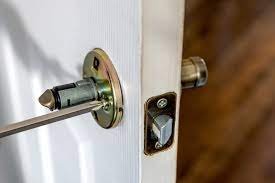
For a mortise lock, start by looking for the visible screws that hold the outside part of the lock in place. Unscrew them and then remove any decorative trim pieces that may be covering up more screws. You should then see two sides of the locking mechanism sticking out from each side of your door frame – these are called ‘keepers’ and need to be unscrewed as well in order to get access to the interior parts of your latch or handle assembly.
Call or Text Andy on: 07721876571
Email: theleedslocksmith@gmail.com
Installing a New Handle & Latch
Installing a new handle and latch on your internal door is an easy and cost-effective way to improve the overall look of your home. Not only will you enjoy the aesthetic benefits, but you will also have peace of mind knowing that your door can be securely locked. With the right tools, even a novice DIYer can tackle this job in no time.
To begin installing a new handle and latch, start by measuring the distance between the two holes for the screws that attach both parts to the door. Once you’ve determined what size screws are needed, gently remove any old screws from previously installed handles or latches. Be sure to wear protective gloves during this process as some surfaces may be sharp from years of wear and tear. Next, position the new handle into place over one side of the door hole before inserting and firmly securing it with screws.
Troubleshooting: Common Issues
Internal Door Latch & Handle Repair are a common issue that homeowners face. Unfortunately, many people don’t realize the problems they’re having until it’s too late and the damage has reached an irreparable state. Fortunately, with the right troubleshooting steps, you can resolve many of these issues quickly and easily. Here are some of the most common internal door latch and handle repair issues homeowners encounter and how to fix them:
First, check for broken or bent components such as hinges or screws. If any of these parts are damaged, it will prevent the door from latching properly. To fix this issue, simply replace any broken or bent parts with new ones.
The next thing to look for is misaligned locksets or latches.
How do I identify if my internal Internal Door Latch & Handle Repair are in need of repair?
There are several signs that your internal door latch and handle may be in need of repair, including:
Difficulty opening or closing the door: If the door latch is not functioning properly, you may have difficulty opening or closing the door. The handle may be stiff or require more force to turn than usual.
Loose or wobbly handle: If the door handle feels loose or wobbly when you turn it, this may indicate that the handle is not securely attached to the latch mechanism.
Door latch not catching: If the latch mechanism is not catching properly when you close the door, this may indicate that the latch is misaligned or that the latch mechanism itself is damaged.
Squeaking or grinding noises: If you hear squeaking or grinding noises when you open or close the door, this may indicate that the latch mechanism or the door hinges are in need of lubrication or repair.
Door handle sticking: If the door handle sticks when you turn it, this may indicate that the latch mechanism is not functioning properly or that the handle is damaged.
If you notice any of these signs, it may be time to repair or replace your internal door latch and handle to ensure that your door is functioning properly and securely.
What tools do I need to repair an internal Internal Door Latch & Handle Repair?
The tools required to repair an internal door latch and handle may vary depending on the specific issue you are experiencing and the type of latch and handle mechanism you have. However, some common tools that may be needed for basic repairs include:
Phillips screwdriver: A screwdriver with a Phillips head is typically used to remove and replace screws on the door latch and handle.
Flathead screwdriver: A screwdriver with a flat head may be used to pry off the cover plate or trim around the handle or latch mechanism.
Pliers: Pliers may be used to bend or adjust the latch mechanism, or to remove stubborn screws.
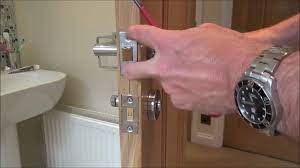
Lubricant: A spray lubricant such as WD-40 may be used to lubricate the latch mechanism or hinges to prevent squeaking or grinding.
Replacement parts: Depending on the specific issue you are experiencing, you may need replacement parts such as a new latch or handle mechanism.
Hammer and chisel: If the latch or strike plate is misaligned, you may need a hammer and chisel to remove or adjust the strike plate.
It’s important to consult the manufacturer’s instructions or seek the advice of a professional if you are unsure which tools are required for a specific repair or replacement task.
How do I remove the Internal Door Latch & Handle Repair from my internal door?
To remove the old latch and handle from your internal door, you will typically need to follow these steps:
Remove the cover plate or trim around the handle: Use a flathead screwdriver to pry off the cover plate or trim around the handle to expose the screws holding the handle in place.
Remove the screws: Use a Phillips screwdriver to remove the screws holding the handle in place on both sides of the door.
Remove the latch: Once the handle is removed, you should be able to see the latch mechanism. Use a Phillips screwdriver to remove the screws holding the latch in place on the edge of the door. If the latch is stuck, you may need to use pliers to pull it out.
Remove the strike plate: The strike plate is the metal plate on the door jamb that the latch mechanism catches on when the door is closed. Use a Phillips screwdriver to remove the screws holding the strike plate in place on the jamb.
Once you have removed the old latch and handle, you can replace them with a new latch and handle mechanism or make any necessary repairs. Be sure to keep track of any screws or parts you remove, and refer to the manufacturer’s instructions or seek the advice of a professional if you are unsure about any part of the process.
Can I replace my old latch and handle with a new one of a different brand or model?
In most cases, you can replace an old latch and handle with a new one of a different brand or model, as long as the dimensions and specifications are similar. However, there are some things to consider:
Compatibility: Before purchasing a new latch and handle, make sure it is compatible with your door’s thickness and the location of the screw holes.
Functionality: Different latch and handle models may have different functionality. For example, some latch mechanisms have a deadlocking function, while others do not. Make sure you choose a model that meets your needs.
Aesthetics: If you are replacing a latch and handle on an interior door, you may want to consider the aesthetics of the new hardware. Choose a style and finish that complements your decor.
Warranty: Be aware that using different brands or models may void the warranty on your new hardware. Be sure to read the manufacturer’s warranty information carefully before making your purchase.
If you are unsure about replacing your old latch and handle with a new one of a different brand or model, you may want to consult with a professional locksmith or handyman to ensure a proper fit and installation.
How do I install a new internal Internal Door Latch & Handle Repair?
Here are the basic steps to install a new internal Internal Door Latch & Handle Repair:
Remove the old latch and handle: Use a screwdriver to remove the screws from the latch and handle plates on the door edge and the screws from the handle on the door face. Remove the old hardware from the door.
Measure and mark: Measure the distance between the center of the latch hole and the center of the handle hole. Use a pencil to mark the center points of the new hardware on the door edge and face.
Install the latch: Insert the latch into the hole on the door edge, making sure the faceplate is flush with the door edge. Secure the latch with screws Internal Door Latch & Handle Repair Internal Door Latch & Handle Repair
Install the strike plate: Position the strike plate on the door frame and mark the screw holes with a pencil. Use screws to secure the strike plate to the door frame Internal Door Latch & Handle Repair Internal Door Latch & Handle Repair
Install the handle: Insert the spindle through the latch mechanism and into the handle on the door face. Secure the handle to the door face with screw Internal Door Latch & Handle Repair Internal Door Latch & Handle Repair
Test the latch: Close the door and test the latch to make sure it works properly. Adjust the strike plate if necessary to ensure a secure fit.
Install the door hardware: Install any additional hardware such as a latch cover or faceplate that came with the new hardware.
It’s important to follow the manufacturer’s instructions that came with your new internal door latch and handle for specific installation details, as the steps may vary depending on the brand and model. If you are unsure about installing the hardware yourself, you may want to consult with a professional locksmith or handyman to ensure a proper installation.
How do I adjust the latch so that it fits properly in the door frame?
If the latch doesn’t fit properly in the door frame, you may need to adjust it. Here are some steps you can follow to adjust the latch:
Check the alignment: Open and close the door to see if the latch lines up with the strike plate on the door frame. If it doesn’t, use a pencil to mark the areas where the latch and strike plate are misaligned.
Loosen the screws: Use a screwdriver to loosen the screws on the strike plate.
Adjust the strike plate: Gently tap the strike plate with a hammer or use pliers to bend it in the direction needed to align with the latch. You may need to repeat this process a few times until the latch and strike plate are properly aligned.
Tighten the screws: Once the latch and strike plate are aligned, tighten the screws on the strike plate. Test the latch by opening and closing the door to make sure it latches properly.
Repeat as needed: If the latch still doesn’t fit properly, repeat the process to adjust the strike plate until it aligns properly with the latch.
Note that some internal door latches may have adjustable screws that can be used to adjust the fit of the latch without adjusting the strike plate. Consult the manufacturer’s instructions for specific details on how to adjust the latch on your particular hardware. If you’re unsure about how to adjust the latch, you may want to consult with a professional locksmith or handyman.
How do I fix a loose handle on my internal door?
If the handle on your internal door is loose, it may be due to loose screws or worn-out components. Here are some steps you can follow to fix a loose handle:
Check the screws: Look for screws on the handle plate and on the latch mechanism. Tighten any screws that are loose using a screwdriver.
Tighten the handle: If the handle is still loose, you may need to tighten the set screw that holds the handle to the spindle. Locate the set screw on the handle and use an Allen wrench to tighten it. Be careful not to over-tighten the set screw, as this can cause damage.
Replace worn components: If tightening the screws and set screw doesn’t fix the problem, the components may be worn or damaged. You may need to replace the latch mechanism, the spindle, or other parts of the handle. Consult the manufacturer’s instructions for specific details on how to replace components on your particular hardware.
Repeat as needed: If the handle is still loose after replacing components, you may need to repeat the process until the handle is secure.
Note that some internal door handles may have hidden screws or other components that require special tools or techniques to access. If you’re unsure about how to fix a loose handle, you may want to consult with a professional locksmith or handyman.
How do I fix a stuck latch on my internal door?
If the latch on your internal door is stuck and won’t open, there are a few things you can try to fix it:
Check for any obstructions: Check to see if there is any debris or other objects blocking the latch mechanism. If there is, remove it.
Check the alignment: Make sure the latch is properly aligned with the strike plate on the door frame. If it’s misaligned, adjust the position of the strike plate so the latch can easily slide into place.
Lubricate the latch: Apply a small amount of lubricant to the latch mechanism to help it move smoothly.
Adjust the latch plate: If the latch plate is loose or misaligned, it may cause the latch to stick. Tighten the screws that hold the plate in place or adjust its position so that it’s properly aligned.
Replace the latch: If the latch is severely damaged or worn out, you may need to replace it with a new one. Consult the manufacturer’s instructions for specific details on how to replace the latch on your particular hardware.
If these steps don’t work, you may want to consult with a professional locksmith or handyman to diagnose and fix the problem.
Call or Text Andy on: 07721876571
Email: theleedslocksmith@gmail.com
Locksmith FAQs
Looking for Leeds’ leading locksmith?
Contact Andrew for a no-cost and obligation-free quote today.
Lock Out Service
Lock out service is an essential need for anyone who has ever locked themselves out of their car or home. The process of being locked out can be frustrating and stressful, but with the help of a locksmith, you can quickly get back into your space. Locksmiths are trained professionals who specialize in unlocking doors and providing other security services.
Lockout services are available 24/7, so no matter the time of day or night, you can count on a locksmith to come to your rescue. They use specialized tools and techniques to open locks without causing any damage to your property. In addition to lockouts, locksmiths also offer key cutting services for those who need new keys made or want duplicates for existing keys.
When choosing a locksmith for lockout services, it’s important to choose a reputable company that has experience in the industry. Look for companies that have positive customer reviews and offer competitive pricing.
For key cutting we recommend: