BS3621 British Standard Lock Fitting Service in Leeds
”WE DON’T EVEN HAVE TO TRY, IT’S ALWAYS A GOOD TIME”
NO CALL OUT CHARGE, REAL LOCAL LOCKSMITH
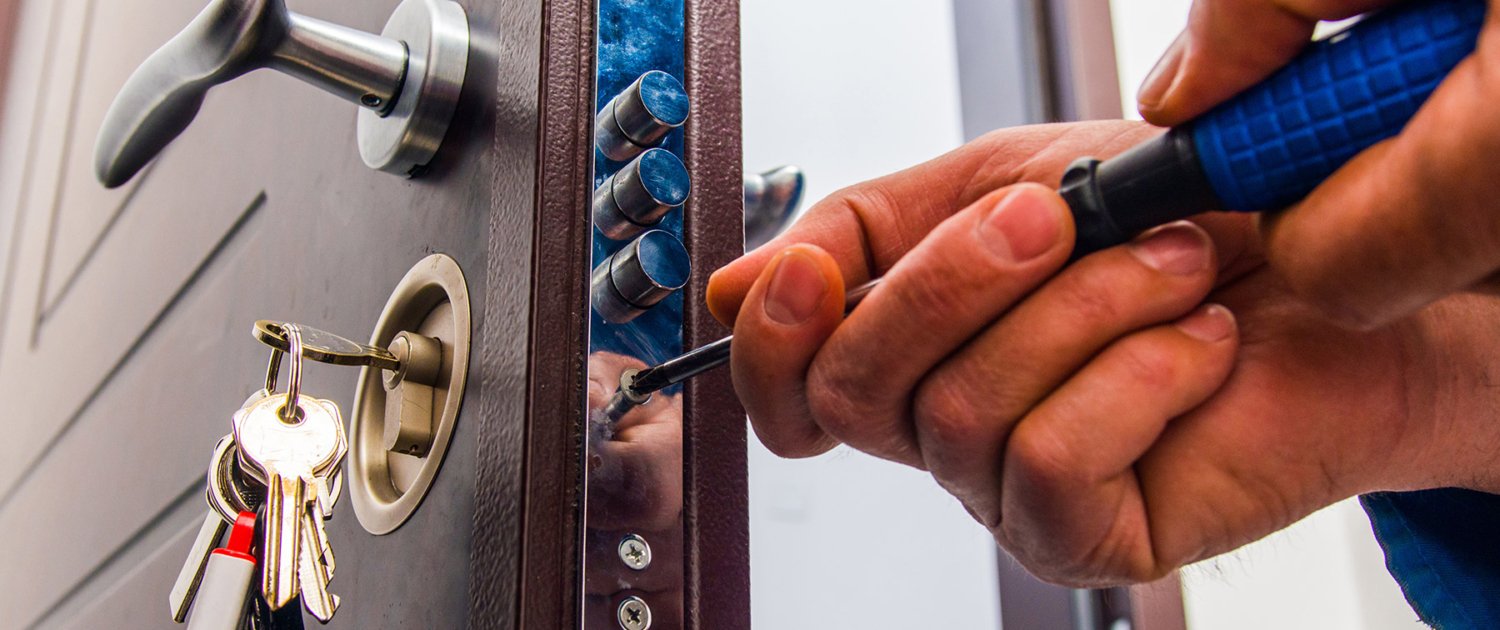
BS3621 British Standard Lock Fitting
We Serve in these locations
The ONLY 5-star rated Lemon in Leeds!


Brought to you by the creators of











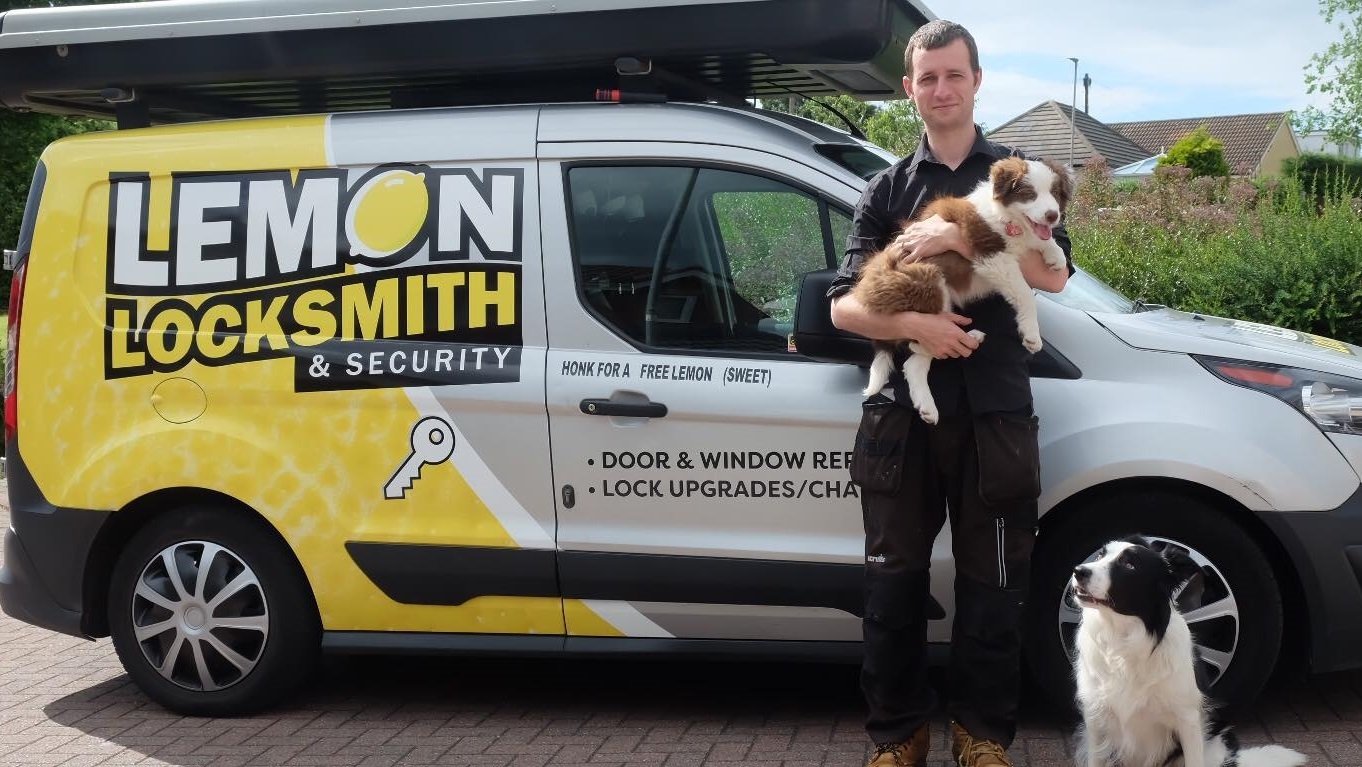
Lemon Locksmith Services
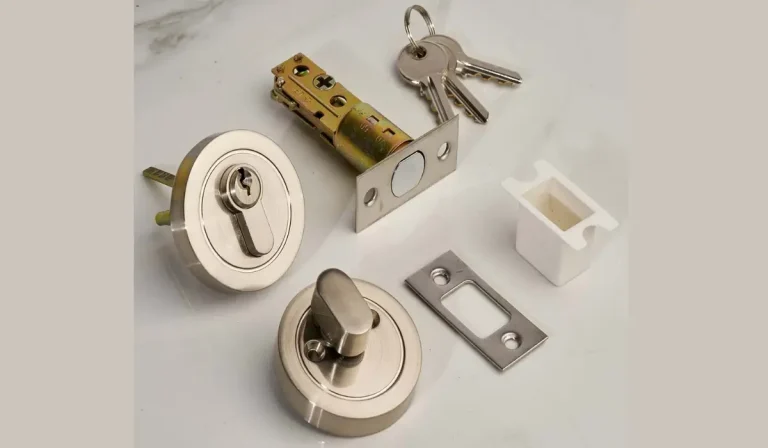
Locksmith Services
- Emergency locksmith service
- Emergency auto (car) locksmith service
- House key cutting
- Car key cutting
- Lock replacement
Security Services
- Access control
- Alarm and CCTV fitting
- Garage door security upgrades
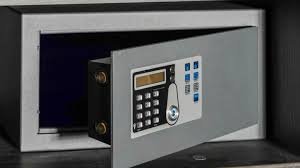
- Safe fitting
- Van lock installation
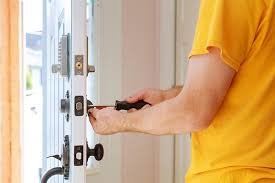
Door and Window
- Double glazing and window repairs
- Boarding up
- New door installations
- uPVC door repairs
Reach out to Lemon Locksmith for expert and trusted locksmith, security, door & window services in Leeds!
No call-out fees! no call centres! no middlemen!
Types of Locks
The BS3621 British Standard Lock is a key component in the security of any property. It is one of the most common types of locks found in residential, commercial, and industrial buildings. The lock is rigorously tested to meet stringent British Standards and must pass a series of tests to be approved for sale.
The BS3621 Lock has several unique features that make it stand out from other types of locks. It uses a 5-lever mechanism which offers greater security than its 3-lever variant; it also utilises hardened steel to ensure long lasting protection against burglars and forced entry attempts; finally, it can be used with many different types of keys – such as mortice keys, cylinder keys, safe keys etc – making it very versatile.
Benefits of BS Locks
BS3621 British Standard locks are one of the leading security products on the market today, offering homeowners and businesses the highest level of protection. The BS3621 is a locking mechanism designed to guard against burglary attempts, such as forced entry or lock picking. It has become a popular choice throughout the United Kingdom due to its extensive list of benefits, making it an ideal security solution for any property.
The BS3621 offers ultimate peace of mind by meeting stringent safety standards set by the British Standards Institute (BSI). Such standards require that all BS locks are tested and approved for various levels of attack resistance, including drilling and torsion force. Homeowners can rest assured knowing their home is protected by an independently certified lock that meets industry-leading safety requirements.
Considerations When Choosing BS Locks
When it comes to choosing a lock for your home or business, there is no better option than the BS3621 British Standard Lock. This highly-regarded security solution offers unparalleled protection and peace of mind. In order to ensure that you make the right decision when selecting a BS lock, there are several considerations to keep in mind.

First and foremost, it is important to consider the type of security that is offered by different locks on the market. The BS3621 British Standard Lock offers superior levels of protection; it has been tested rigorously in order to meet stringent standards set by the British Standards Institute (BSI). As such, this lock offers increased resistance against forced entry and tampering attempts – making it an ideal choice for any property owner looking for reliable protection.
Installation Process
BS3621 British Standard Lock is the most recognized and trusted lock in the UK. It has become a must-have security feature for homes, businesses, and any other properties that need extra protection. The installation process of a BS3621 British Standard Lock is relatively straightforward and easy to complete; with access to the correct tools and materials, anyone can install one of these locks without too much difficulty.
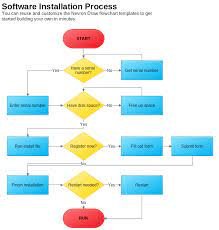
The first step in installing a BS3621 lock is to measure up the door frame correctly. This will ensure that the lock fits correctly into place when it’s time for installation. Next, you should secure your new lock into place using screws or bolts. Make sure all measurements are accurate before drilling holes into the door frame; this will help prevent damage from occurring during installation. Finally, check that everything is secure before testing out your new BS3621 British Standard Lock!
Testing & Certification
The BS3621 British Standard lock is one of the most secure and reliable locking systems available on the market. This robust, high-security lock has undergone rigorous testing and certification from a leading UK security institute, ensuring that it meets all safety requirements while providing unrivalled levels of protection. The unique design of the BS3621 British Standard lock combines cutting edge technology with traditional mechanical engineering to ensure maximum security when used in residential and commercial buildings.
The locks are tested through stringent procedures to ensure they meet government regulations and live up to their reputation for high performance standards. Through this process, any weaknesses or flaws can be identified before reaching consumers and businesses alike, providing users with complete peace of mind when installing these locks in their homes or businesses premises.
What is BS3621 and why is it important for lock fitting?
Locksmiths are professionals that provide services related to locks and security systems. These experts can help you secure your home, office or vehicle by installing high-quality lock systems or repairing existing ones. One of the most important things that a locksmith can do for you is to ensure that your locks are BS3621 compliant.
BS3621 is a British standard for locks and latches, which was introduced in 1980. To comply with this standard, the lock must meet certain requirements such as having at least five levers, being resistant to drilling and picking, and having a bolt that extends at least 20mm into the door frame. The purpose of this standard is to ensure that locks are strong enough to prevent burglaries and other unauthorized access attempts.
It’s important to have BS3621 compliant locks because they offer superior protection against break-ins compared to non-compliant ones.
What are the specific requirements for a lock to meet the BS3621 standard?
To meet the BS3621 standard, a lock must meet several specific requirements. Some of these requirements include:
The lock must have a minimum of five levers or a minimum of six pins.
The lock must be able to resist attacks from various tools, including drills, hammers, and saws, for a specific amount of time.
The lock must have a deadbolt with a minimum throw of 20mm.
The lock must be able to be locked from the outside with a key, and from the inside with a key or a thumbturn.
The lock must have a hardened steel plate to protect the mechanism from drilling and other forms of attack.
The lock must have a minimum of two keys, which cannot be easily duplicated.
The lock must be capable of fitting into a standard size mortice.
The lock must be clearly marked with the British Standard Kitemark and the manufacturer’s name or trademark.
Meeting these requirements ensures that the lock is secure, durable, and resistant to attack.
What type of locks can be certified under BS3621?
What are the advantages of using a BS3621-certified lock?
The main difference between a BS3621 lock and a non-certified lock is the level of security they provide. A BS3621 lock has been independently tested and certified to meet certain standards of security and durability, whereas a non-certified lock has not undergone this testing.
A BS3621 lock has specific requirements, such as having a minimum number of levers or pins, a hardened steel plate to protect the mechanism from drilling, and a deadbolt with a minimum throw. It must also be able to resist various types of attack, including drilling, picking, and bumping, for a specific amount of time.
In contrast, a non-certified lock may not meet these requirements, or may not have been tested at all. Non-certified locks may be easier to bypass, pick or drill, and may be less durable than a certified lock.
It’s worth noting that not all non-certified locks are necessarily insecure or unreliable, but a BS3621 certified lock provides greater peace of mind and assurance that the lock has been independently tested and meets certain standards of security and durability.
What is the difference between a BS3621 lock and a non-certified lock?
The main difference between a BS3621 lock and a non-certified lock is the level of security they provide. A BS3621 lock has been independently tested and certified to meet certain standards of security and durability, whereas a non-certified lock has not undergone this testing.
A BS3621 lock has specific requirements, such as having a minimum number of levers or pins, a hardened steel plate to protect the mechanism from drilling, and a deadbolt with a minimum throw. It must also be able to resist various types of attack, including drilling, picking, and bumping, for a specific amount of time.
In contrast, a non-certified lock may not meet these requirements, or may not have been tested at all. Non-certified locks may be easier to bypass, pick or drill, and may be less durable than a certified lock.
It’s worth noting that not all non-certified locks are necessarily insecure or unreliable, but a BS3621 certified lock provides greater peace of mind and assurance that the lock has been independently tested and meets certain standards of security and durability.
Are there any legal requirements for using BS3621 locks in certain applications?
There are no specific legal requirements for using BS3621 locks in certain applications. However, some insurance policies or building regulations may require the use of locks that meet the BS3621 standard.
For example, some insurance policies may require that external doors are fitted with a BS3621-certified lock in order to be eligible for coverage. This is because BS3621 locks are considered to provide a higher level of security than non-certified locks, and may help to reduce the risk of break-ins and theft.
Similarly, some building regulations may require that certain types of properties, such as HMOs (houses in multiple occupation) or commercial premises, are fitted with locks that meet specific security standards, which may include the BS3621 standard.
It’s important to check with your insurance provider or local building authority to determine any specific requirements for locks and security in your particular situation.
How can you identify a lock that meets the BS3621 standard?
A lock that meets the BS3621 standard will have specific features and markings that indicate that it meets the standard. Here are some ways to identify a lock that meets the BS3621 standard:
Look for the British Standard Kitemark: A lock that meets the BS3621 standard will have the British Standard Kitemark on the lock or packaging. This mark indicates that the lock has been independently tested and certified to meet the BS3621 standard.
Check the lock’s features: A lock that meets the BS3621 standard will have specific features, such as a minimum of five levers or six pins, a deadbolt with a minimum throw of 20mm, and a hardened steel plate to protect the mechanism from drilling. It must also be able to resist various types of attack, including drilling, picking, and bumping, for a specific amount of time.
Look for the manufacturer’s name or trademark: A lock that meets the BS3621 standard will have the manufacturer’s name or trademark clearly marked on the lock or packaging.
Check the lock’s documentation: A lock that meets the BS3621 standard will come with documentation that verifies its certification. This may include a certificate of conformity or a test report.
If you’re not sure whether a lock meets the BS3621 standard, it’s always best to check with the manufacturer or a locksmith who can provide guidance and advice.
Can a non-certified lock be upgraded to meet the BS3621 standard?
It may be possible to upgrade a non-certified lock to meet the BS3621 standard, but this depends on the specific lock and the parts that need to be replaced or added.
In some cases, it may be possible to upgrade the lock by replacing the cylinder, deadbolt or other parts with those that meet the BS3621 standard. However, this may not always be a straightforward or cost-effective solution, as some non-certified locks may not be designed to accommodate the necessary components.
It’s important to note that attempting to upgrade a lock to meet the BS3621 standard without professional advice and guidance could compromise the security of the lock and leave it vulnerable to attack. Therefore, it’s always best to consult with a qualified locksmith or security professional who can advise on the best course of action for your particular situation.
Are there any drawbacks to using a BS3621 lock?
While using a BS3621 lock can provide a higher level of security, there are some potential drawbacks to consider:
Cost: BS3621 locks are typically more expensive than non-certified locks, due to their higher level of security and the cost of certification.
Installation: Installing a BS3621 lock can be more complicated than installing a non-certified lock, as the lock may require additional components or modifications to the door or frame.
Maintenance: BS3621 locks may require more frequent maintenance and upkeep than non-certified locks, in order to maintain their security and functionality.
Availability: Not all lock manufacturers produce BS3621-certified locks, so it may be more difficult to find a lock that meets the standard if you have specific style or design requirements.
Key control: Some BS3621 locks may require specialized keys, which can be difficult to duplicate and may require extra precautions to prevent unauthorized duplication.
It’s important to weigh these potential drawbacks against the increased security and peace of mind that a BS3621 lock can provide. Ultimately, the best choice of lock will depend on your specific security needs, budget, and other factors.
What types of properties or buildings should use BS3621 locks?
BS3621 locks are typically recommended for properties that require a higher level of security, such as homes, businesses, and other commercial or industrial properties. Some specific examples of properties that may benefit from the use of BS3621 locks include:
Residential properties: Homes, apartments, and other residential properties can benefit from the increased security provided by a BS3621 lock, particularly on external doors.
Commercial properties: Businesses, retail stores, and other commercial properties may require a higher level of security due to the presence of valuable assets or sensitive information.
Educational institutions: Schools, universities, and other educational institutions may require a higher level of security to protect students and staff from potential threats.
Healthcare facilities: Hospitals, clinics, and other healthcare facilities may require a higher level of security to protect patients and staff.
Government and military buildings: Government buildings, military bases, and other high-security facilities may require a higher level of security to protect sensitive information or equipment.
Ultimately, the decision to use a BS3621 lock will depend on the specific security needs of the property in question, as well as any applicable regulations or insurance requirements. It’s always a good idea to consult with a qualified locksmith or security professional to determine the best lock and security solutions for your particular situation.
Are there any specific brands or manufacturers that produce BS3621-certified locks?
There are many brands and manufacturers that produce BS3621-certified locks. Some of the most well-known and trusted brands include:
Yale: Yale is a leading manufacturer of locks and security products, and produces a range of BS3621-certified locks for both residential and commercial applications.
Chubb: Chubb is a well-known brand in the security industry, and produces a range of high-security locks, including BS3621-certified locks.
Union: Union is a UK-based lock manufacturer that specializes in high-quality locks for residential and commercial applications. Many of their locks are BS3621-certified.
ERA: ERA is a UK-based lock manufacturer that produces a range of high-security locks and other security products, including BS3621-certified locks.
Mul-T-Lock: Mul-T-Lock is a global provider of high-security locks and access control solutions, and produces a range of BS3621-certified locks for commercial and residential use.
These are just a few examples of the many brands and manufacturers that produce BS3621-certified locks. When choosing a lock, it’s important to consider the reputation and quality of the manufacturer, as well as the specific features and benefits of the lock itself.
Can a locksmith install a BS3621 lock or is it a specialist job?
While the installation of a BS3621 lock is not necessarily a specialist job, it is important to ensure that the locksmith who installs the lock is qualified and experienced in fitting high-security locks.
A skilled and experienced locksmith should have the necessary knowledge and tools to install a BS3621 lock correctly, and ensure that it meets the requirements of the British Standard. However, it is important to choose a reputable and trustworthy locksmith, who has the necessary qualifications and certifications to perform the work to a high standard.
In addition, it may be advisable to choose a locksmith who specializes in high-security locks, as they may have more experience and expertise in fitting these types of locks, and be better equipped to advise on the best lock and security solutions for your particular needs.
Ultimately, the quality of the installation is critical to the effectiveness of the lock, so it is important to choose a qualified and experienced locksmith who can ensure that the lock is fitted correctly and provides the desired level of security.
How much does it cost to install a BS3621 lock?
The cost of installing a BS3621 lock can vary depending on a number of factors, including the type of lock, the complexity of the installation, and the location of the property. Here are a few factors that can impact the cost:
Type of lock: The cost of the lock itself can vary depending on the brand, type, and features of the lock. Some BS3621 locks can cost as little as £30, while others can cost several hundred pounds.
Complexity of the installation: If the installation is straightforward, such as replacing an existing lock, the cost may be relatively low. However, if the installation requires additional work, such as modifying the door or frame, the cost may be higher.
Location: The cost of installation can vary depending on the location of the property, as well as the availability and pricing of locksmiths in that area.
As a rough guide, the cost of installing a BS3621 lock can range from around £100 to several hundred pounds, depending on the factors listed above. It’s important to obtain a quote from a reputable locksmith to get an accurate estimate for the specific job.
Call or Text Andy on: 07721876571
Email: theleedslocksmith@gmail.com
Locksmith FAQs
Looking for Leeds’ leading locksmith?
Contact Andrew for a no-cost and obligation-free quote today.
Lock Out Service
Lock out service is an essential need for anyone who has ever locked themselves out of their car or home. The process of being locked out can be frustrating and stressful, but with the help of a locksmith, you can quickly get back into your space. Locksmiths are trained professionals who specialize in unlocking doors and providing other security services.
Lockout services are available 24/7, so no matter the time of day or night, you can count on a locksmith to come to your rescue. They use specialized tools and techniques to open locks without causing any damage to your property. In addition to lockouts, locksmiths also offer key cutting services for those who need new keys made or want duplicates for existing keys.
When choosing a locksmith for lockout services, it’s important to choose a reputable company that has experience in the industry. Look for companies that have positive customer reviews and offer competitive pricing.
For key cutting we recommend: