HMO Locks in Leeds
”WE DON’T EVEN HAVE TO TRY, IT’S ALWAYS A GOOD TIME”
NO CALL OUT CHARGE, REAL LOCAL LOCKSMITH
HMO Locks
We Serve in these locations
The ONLY 5-star rated Lemon in Leeds!


Brought to you by the creators of









Lemon Locksmith Services
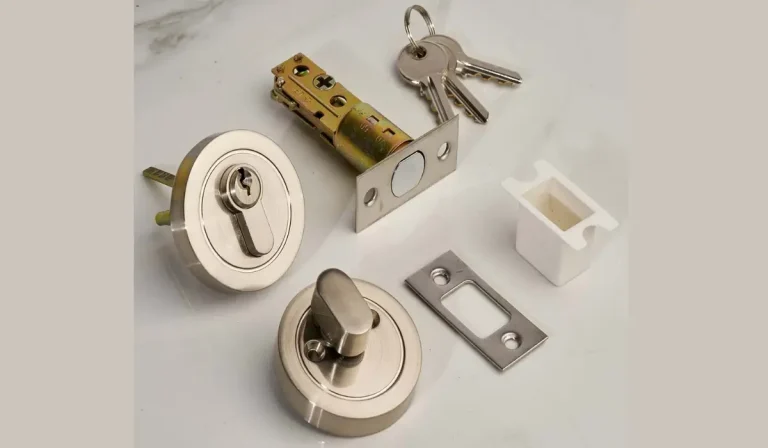
Locksmith Services
- Emergency locksmith service
- Emergency auto (car) locksmith service
- House key cutting
- Car key cutting
- Lock replacement
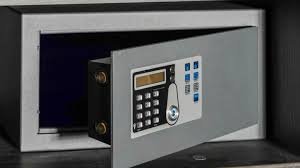
Security Services
- Access control
- Alarm and CCTV fitting
- Garage door security upgrades
- Safe fitting
- Van lock installation
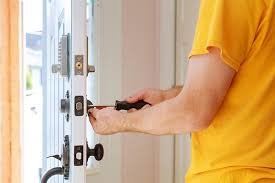
Door and Window
- Double glazing and window repairs
- Boarding up
- New door installations
- uPVC door repairs
Reach out to Lemon Locksmith for expert and trusted locksmith, security, door & window services in Leeds!
No call-out fees! no call centres! no middlemen!
HMO locks are specialized locking systems used in houses where multiple individuals live together, often referred to as House in Multiple Occupation (HMO) properties. These types of accommodations are designed to provide both privacy and shared access in an environment where tenants rent individual rooms while sharing common spaces like kitchens, bathrooms, and lounges. Given the diversity in tenants, there is a distinct need for locks that offer secure, private access to rooms, while still enabling shared access to communal areas without compromising safety.
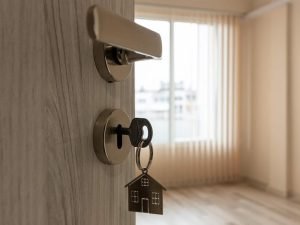
The complexity of these living arrangements makes the right choice of HMO locks essential for the overall security of the property. Tenants should feel safe and secure within their private rooms while also being able to access common areas without the risk of unauthorized entry. HMO locks must offer a high level of security to protect tenants’ personal belongings while simultaneously allowing for flexibility and ease of access. Whether it’s for individual rooms or shared spaces, these locks are an integral part of managing a successful HMO property.
Importance of HMO Locks in Shared Accommodation
The primary purpose of HMO locks is to ensure that both private spaces and shared areas are secure for all residents. Each tenant must have access to their own room without fear of unauthorized access from fellow tenants or others. At the same time, communal areas must remain accessible to authorized residents but protected from entry by strangers or non-residents. Ensuring that locks are of high quality and correctly installed helps to avoid issues with privacy, access control, and potential security breaches within the property.
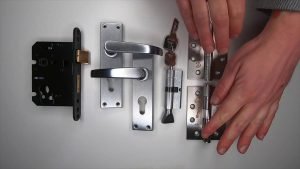
In addition to personal privacy, HMO locks are also important for safety reasons. In many instances, tenants may need to exit quickly in the event of an emergency, such as a fire. The lock system needs to allow for fast and effective evacuation routes without causing obstruction. Additionally, during emergencies, emergency services should be able to access rooms if needed, which makes choosing the right lock that can offer both security and emergency accessibility paramount in shared living spaces.
Types of HMO Locks
There are several types of HMO locks, each offering varying levels of security and functionality, depending on the needs of the property and the tenants. Traditional key-operated locks are a popular option for many landlords due to their simplicity and ease of use. These locks provide a clear and direct method of securing individual rooms. However, they come with the drawback of requiring physical keys, which can sometimes be lost or stolen, posing security risks.
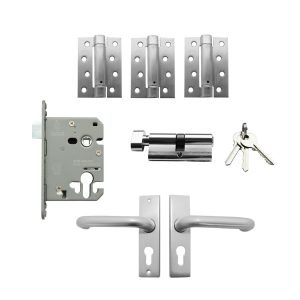
In more modern HMO setups, digital and keyless entry locks are becoming increasingly popular. Digital locks, for example, provide tenants with the convenience of entering their rooms without needing a physical key, reducing the risk of lost or stolen keys. These locks can be programmed with a code, or in some cases, even a mobile app. In larger properties, more advanced smart locks are also being used, offering features like remote access management and integration with property management systems. These systems allow landlords and property managers to monitor and control access remotely, making them particularly useful in large, multi-tenanted buildings.
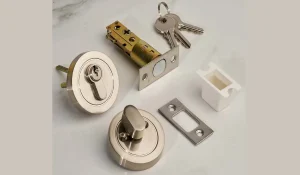
Legal Requirements and Standards for HMO Locks
In the UK and many other countries, there are specific legal regulations and safety standards regarding the types of locks that should be used in HMO properties. These regulations are designed to protect the safety and security of tenants, ensuring they have access to both their private rooms and the shared communal areas without unnecessary obstacles. For example, in the UK, the HMO regulations specify that all doors leading to rooms in an HMO must be lockable, but also must allow tenants to exit quickly in case of an emergency.
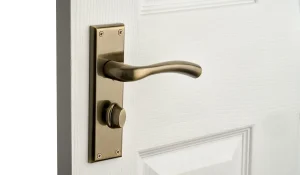
Landlords are also required to make sure that locks do not obstruct escape routes or create safety hazards. Any lock used should be easily operable from both the inside and outside of the room, ensuring tenants can exit freely and without delay. Additionally, it is important for landlords to regularly inspect and maintain the locks to ensure they are functioning properly. Failing to meet these legal requirements can result in penalties or legal action, and more importantly, it could compromise the safety of the tenants residing in the property.
Choosing the Right HMO Lock for Your Property
Choosing the right HMO lock for a property is crucial for ensuring both security and ease of access. Property owners need to carefully consider the type of tenants, the layout of the building, and the specific needs of the property before selecting a lock system. For instance, for a smaller HMO, traditional key-operated locks may be sufficient. However, for larger properties with numerous tenants, a more advanced locking system, such as a digital or smart lock, may be more practical, offering greater control and reduced risk of key-related issues.
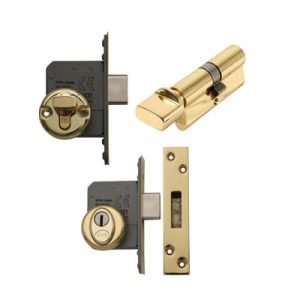
Additionally, the nature of the shared living environment means that locks should balance security with convenience. Tenants should not find it cumbersome to enter or exit communal areas, nor should they experience difficulties with securing their rooms. The lock should provide ease of use for all residents while maintaining a high standard of security. It’s essential that landlords choose a locking system that is both practical and secure to ensure that both tenant safety and property integrity are upheld.
Locksmith FAQs
Looking for Leeds’ leading locksmith?
Contact Andrew for a no-cost and obligation-free quote today.
Lock Out Service
Lock out service is an essential need for anyone who has ever locked themselves out of their car or home. The process of being locked out can be frustrating and stressful, but with the help of a locksmith, you can quickly get back into your space. Locksmiths are trained professionals who specialize in unlocking doors and providing other security services.
Lockout services are available 24/7, so no matter the time of day or night, you can count on a locksmith to come to your rescue. They use specialized tools and techniques to open locks without causing any damage to your property. In addition to lockouts, locksmiths also offer key cutting services for those who need new keys made or want duplicates for existing keys.
When choosing a locksmith for lockout services, it’s important to choose a reputable company that has experience in the industry. Look for companies that have positive customer reviews and offer competitive pricing.
For key cutting we recommend: